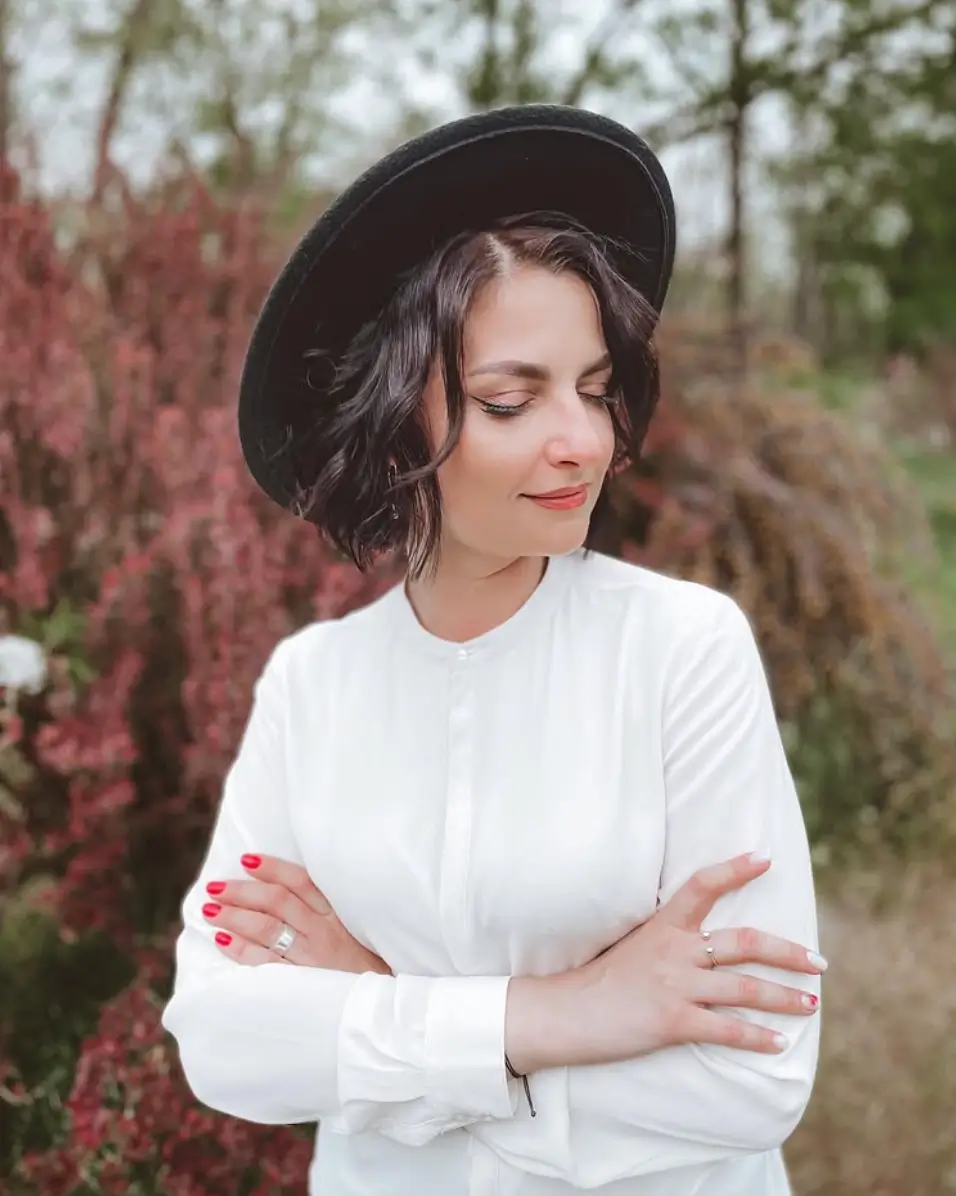
You scroll past another caramel balayage on dark hair, wondering if yours will turn brassy by week three. The grow-out line haunts you, and fringe decisions feel permanent. A good balayage buys you time between salon visits, which is the whole point of booking one now.
34 ideas cover the spectrum from subtle to striking, each with a base shade, technique, and tone that works on dark hair. The struggle is finding the exact one you want to describe in the chair. Which is why Aesthetic Balayage on Dark Hair 2027 fill so many saved boards. This collection narrows it down.
Caramel tones blended through a dark brown base
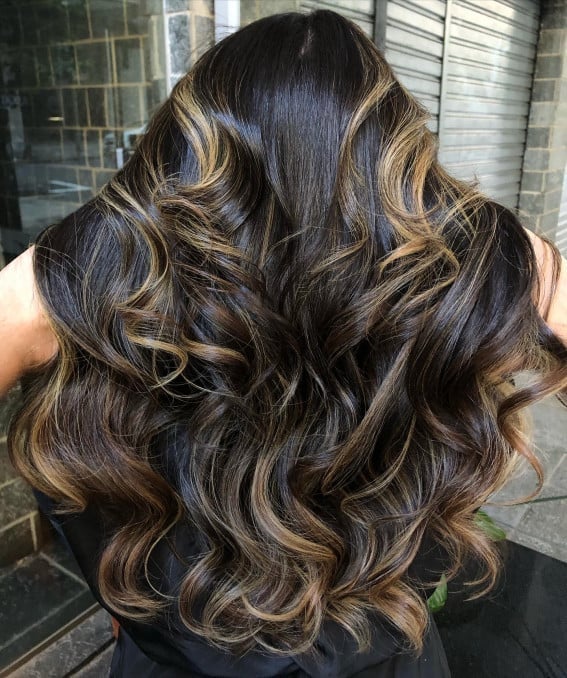
Dark brown meets caramel in a way that looks deliberate, not accidental. The base holds the depth; the balayage highlights add warmth without competing. Loose waves prove the point, thick texture gives the color something to catch on. A side view shows the blend sits mostly on the surface, leaving the root area undisturbed. It suits anyone with wavy hair starting at collarbone length. It works best for those who prefer medium to high contrast and avoid wearing hair poker straight most days. Tell your colorist: dark brown base with soft caramel balayage. A trim every eight to ten weeks keeps the ends healthy enough to hold the wave.
Copper balayage on a layered dark brown base
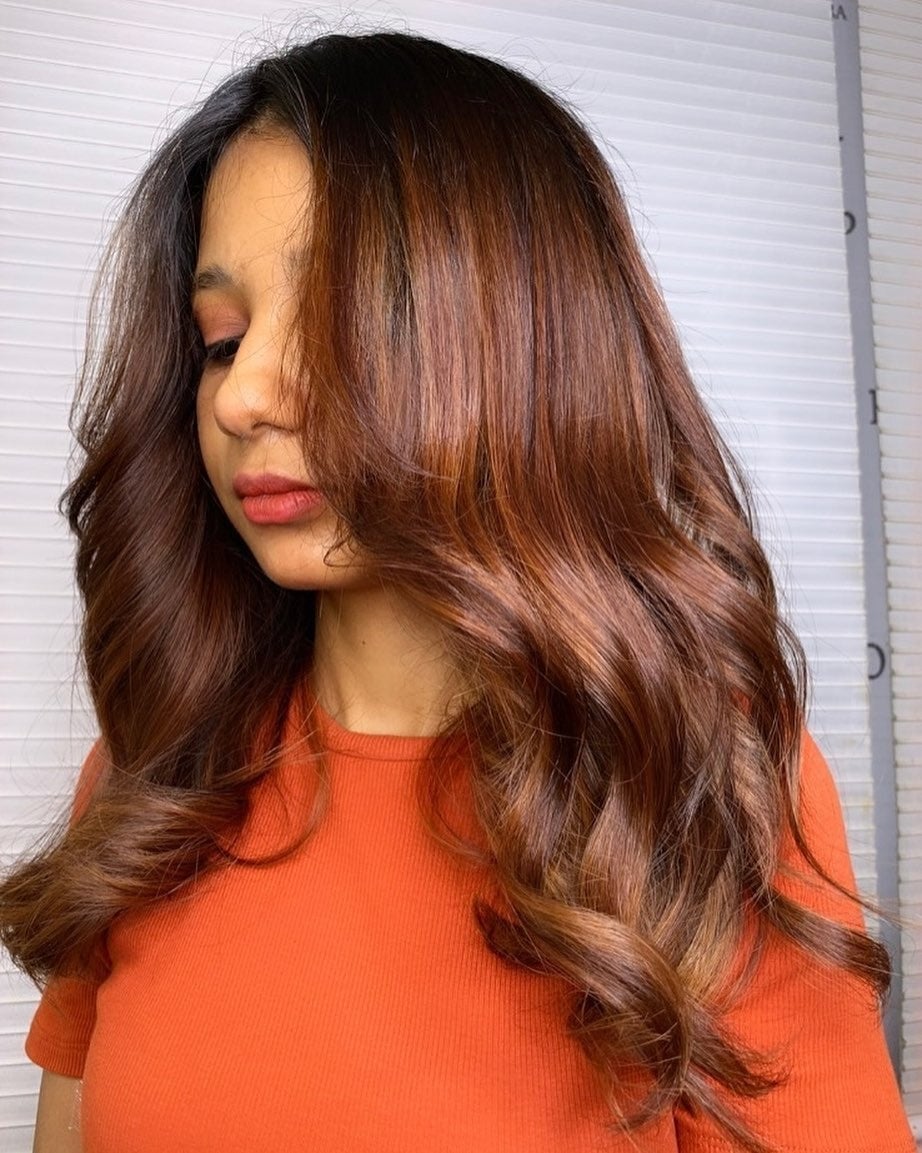
Caramel is safe. Copper is a decision. On a dark brown base with soft layers, the warm tones look intentional rather than accidental. The front view shows the color concentrated on the surface of each wave, not pulled through to the root. Suits thick hair that holds a blowout well. Not for anyone whose hair is very fine and struggles to keep a wave past lunch. The layers do the heavy lifting here. They let the copper land where the eye naturally falls. A texturizing spray on the waves helps define the separation between base and highlight.
Subtle caramel balayage woven through mid-lengths and ends
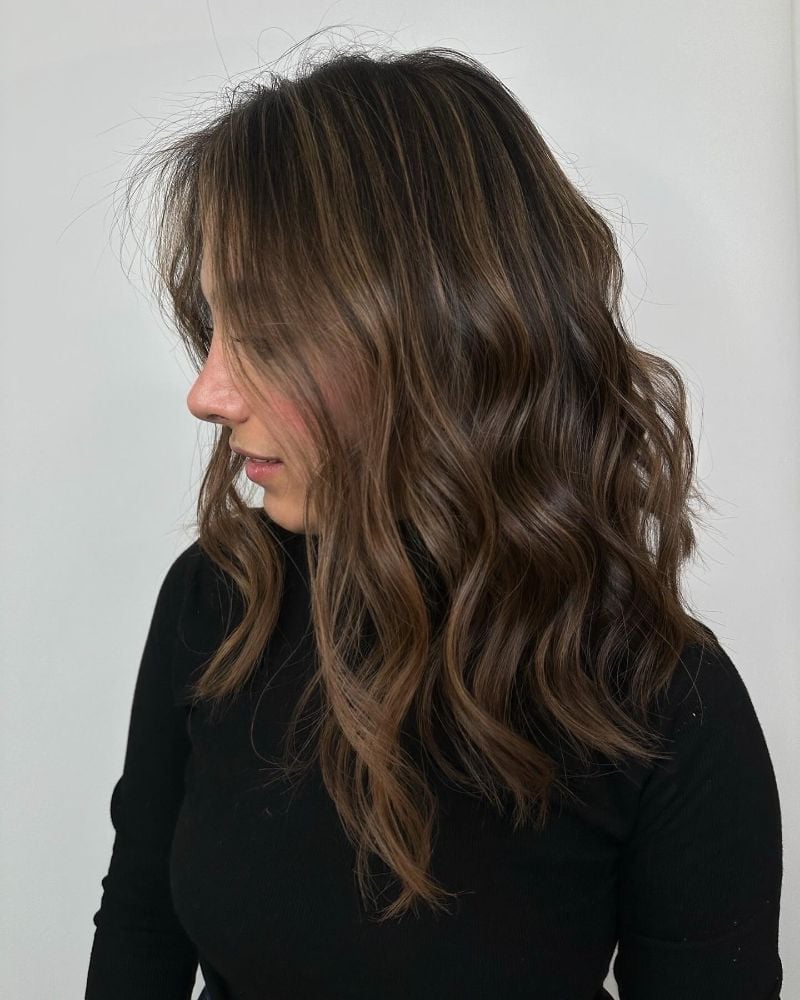
What do you actually say in the chair? Dark brown base, subtle caramel balayage concentrated on the mid-lengths and ends. The side view confirms the blend is soft enough that no single strand screams for attention. Styled in loose waves, the color appears as a natural progression from root to tip. Suits thick, wavy hair at least collarbone length. Skip this if you prefer a root smudge or a very slow grow-out. A gentle blowout with a round brush enhances the wave pattern and shows off the lighter pieces.
Ash brown balayage blended smoothly on dark hair
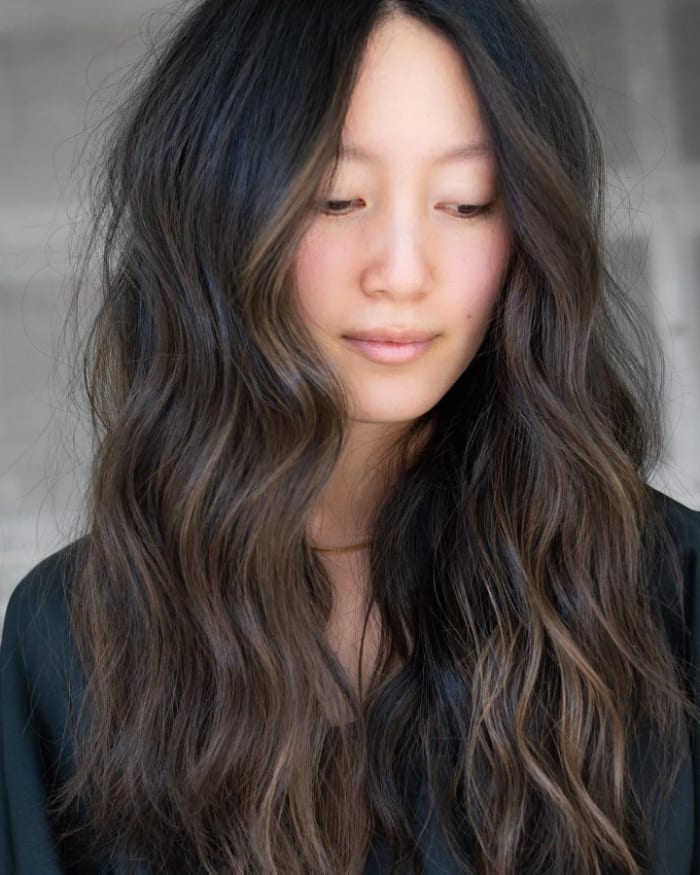
Ash brown on a dark base is a cooler take on the same technique. The front view shows the blend is smooth, no harsh line where the ash starts. The balayage strands sit mostly on the mid-lengths and ends, keeping the root area dark. Suits oval and long face shapes, especially with a middle part. Skip it if your natural base runs very warm and you worry about brassiness showing through. A purple shampoo once a week keeps the ash tone from drifting. The waves are styled with a blowout, not a curling iron.
Lighter effect with blonde balayage transition
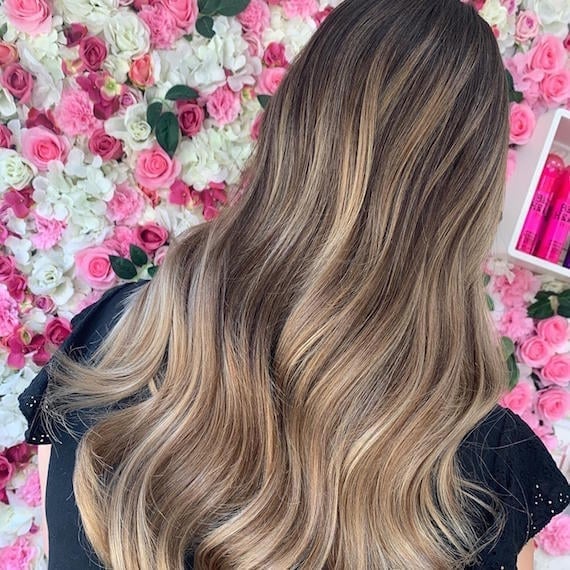
Blonde on dark brown works when the transition is gradual, not abrupt. The side view shows the lighter tones start subtly and build toward the ends, creating a natural lighter effect. Thick wavy texture is ideal. It softens the contrast between the two shades. Suits those with cooler undertones who want noticeable lift without full blonde. The catch: the blonde pieces need extra moisture to stay soft. A quality leave-in conditioner helps. A trim every six to eight weeks prevents the lightened ends from feeling dry.
Smooth blonde balayage blended through layers
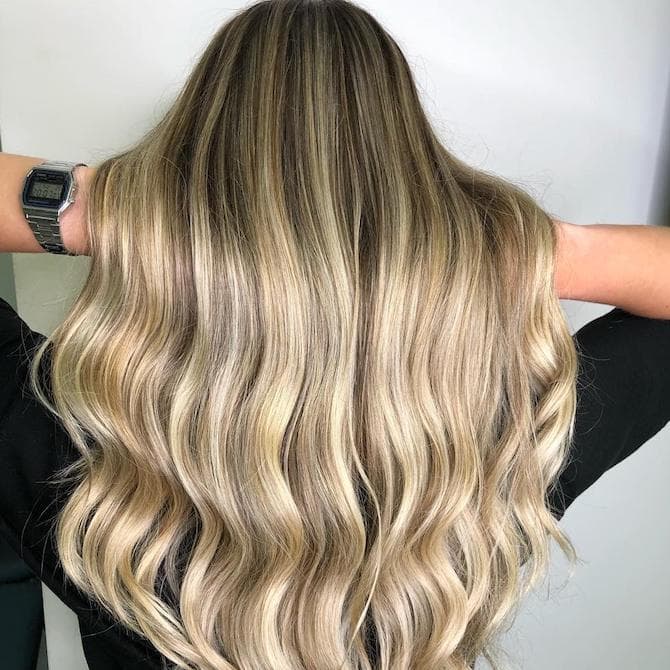
Unlike a foiled highlight that starts at the root, this technique keeps the dark brown base visible at the top. The blonde balayage picks up around the ears and washes through the layers in a soft gradient. Wavy, thick texture helps the blend look natural rather than painted-on. Tell your colorist: dark brown base with smooth blonde balayage, layered cut. The blowout finish is optional; the color works just as well air-dried.
Ash blonde highlights blended through dark brown
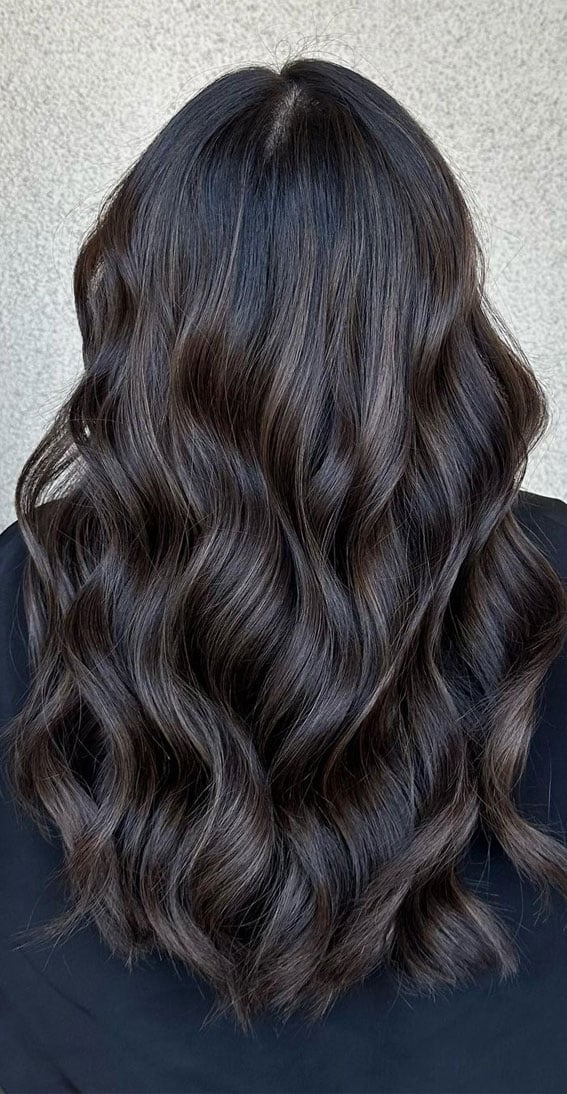
It looks cool in every sense. The deep brown base gets subtle ash blonde strands woven through the layers, and the middle part shows off the even distribution. The catch: ash tones on dark hair need a salon touch for the lift and a toning shampoo to keep them from warming up. Skip it if you have naturally warm undertones that fight cool colors. Thick, wavy hair at collarbone length or longer holds the blend best without the ends looking thin.
Face-framing blonde highlights on dark brown hair
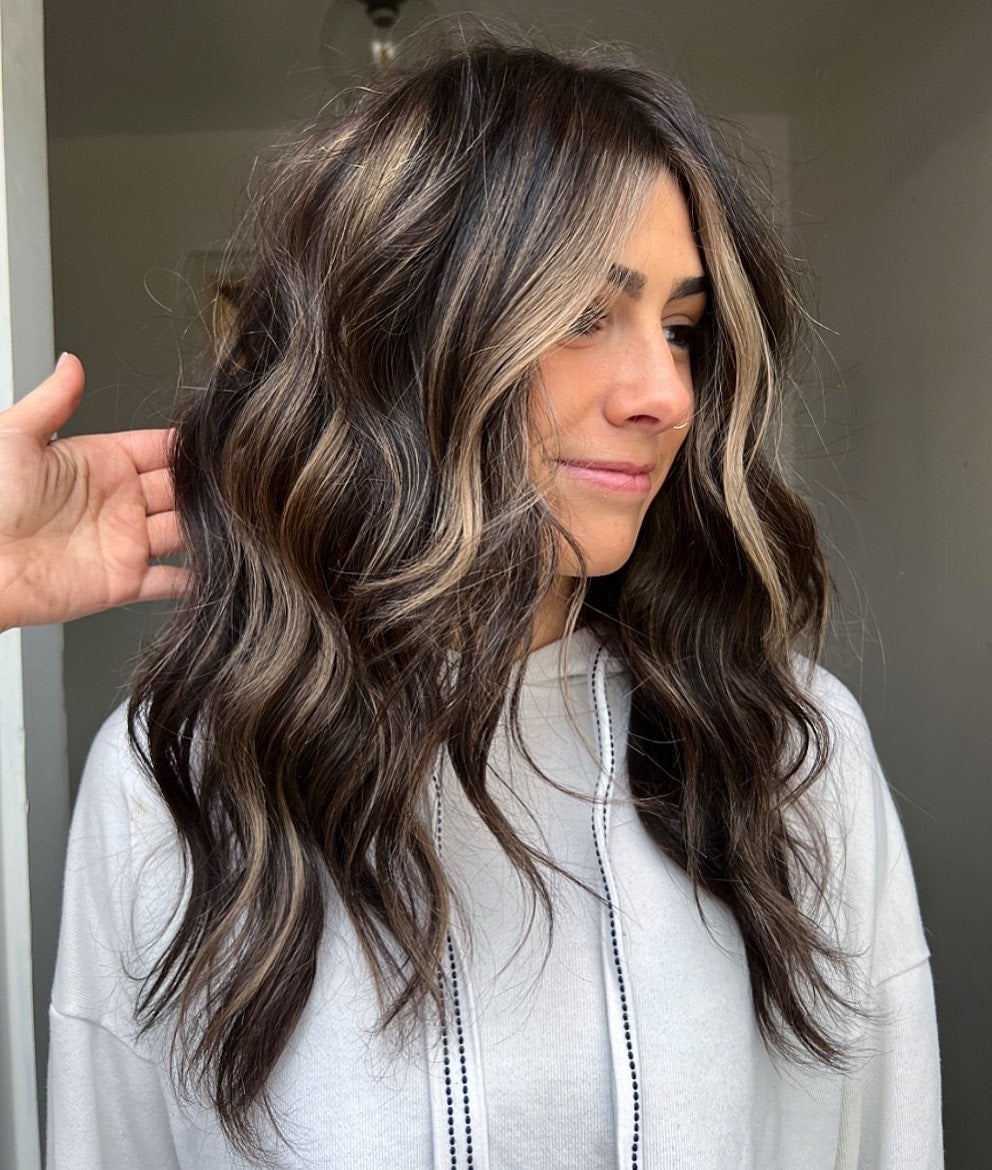
The design is precise: thicker blonde pieces at the front, softer ones behind. This is a look for daytime events where you want the color to show when your hair is down. The wavy blowout style gives the face-framing strands a curved shape that follows the jawline. Dark brown base keeps the contrast strong without going brassy. Thick, wavy texture with layers supports the weight of the lighter pieces.
Natural blended effect with subtle caramel balayage
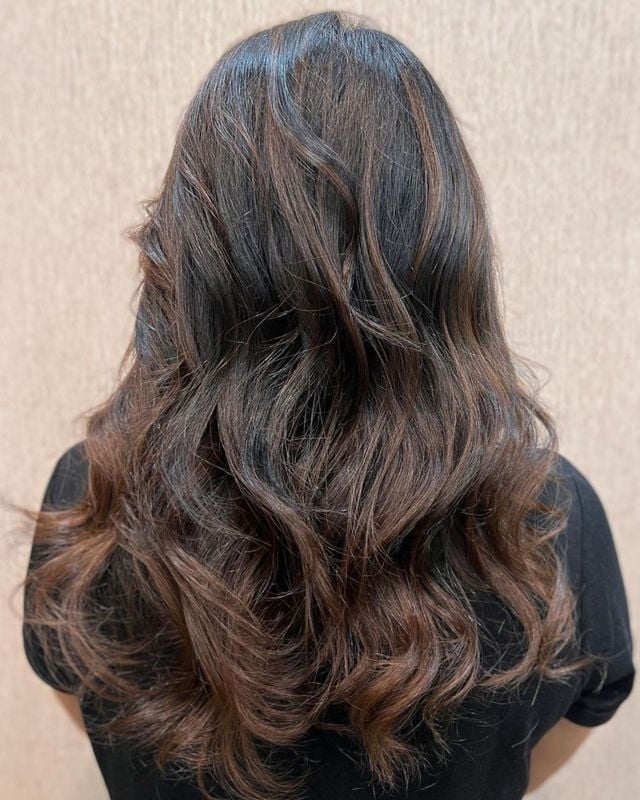
A subtle caramel balayage means about two hours in the chair for the application alone. The colorist paints thin sections through the layers, not wide ribbons, so the blend looks diffused rather than striped. Dark brown base stays rich at the root while the caramel warms up the mid-lengths and ends. Wavy texture helps the transition look a shadow, not a line.
Caramel balayage for a lighter effect
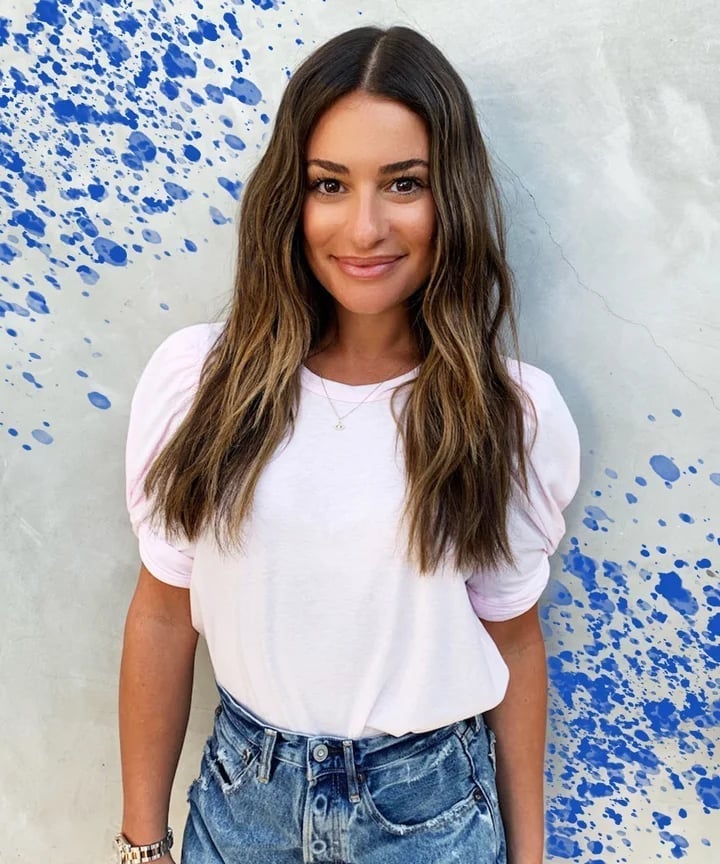
Can you get close to this at home? Not really. The caramel tones on a dark brown base require a professional lift to avoid orange patches. The technique uses a freehand painting motion that follows the wave pattern, so the color lands where the light naturally hits. Middle part and subtle layers let the caramel show through the front sections. Air-dried texture keeps the effect casual. Thick, wavy hair gives the blend enough surface area to look lighter rather than streaky.
Ash brown balayage with face-framing curtain bangs
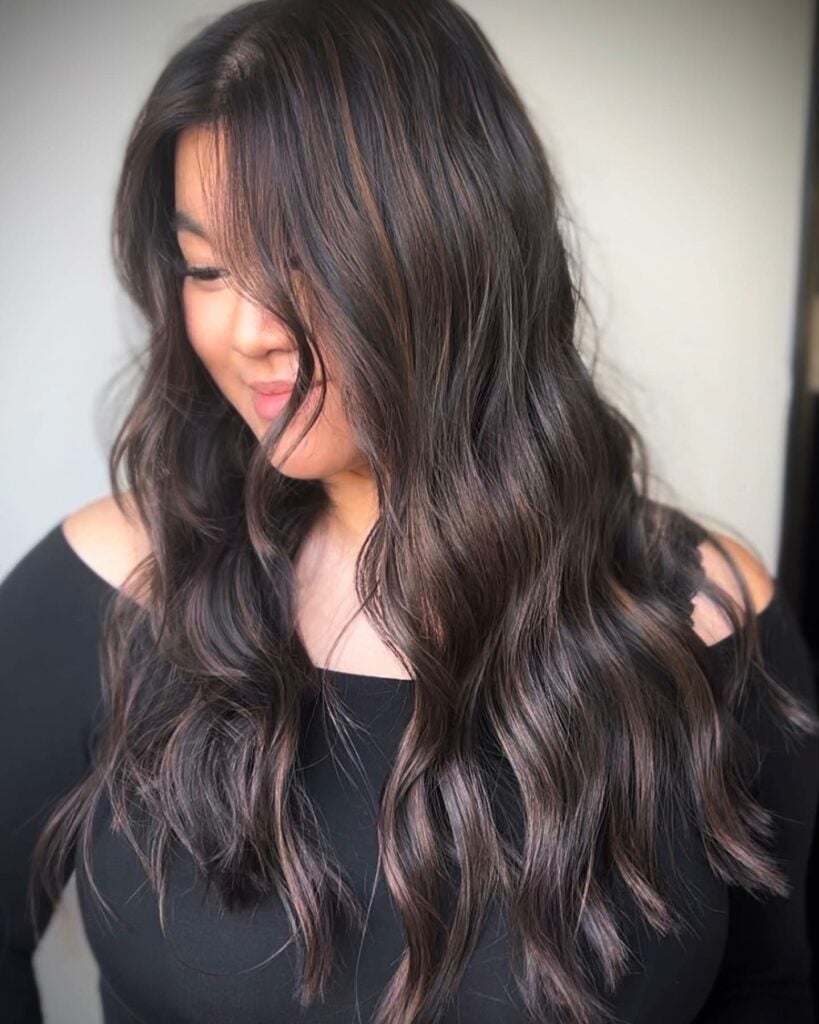
Curtain bangs change the math on a subtle balayage. Where a blunt fringe hides the color transition entirely, curtain bangs let the ash brown strands catch light every time you tuck one behind your ear. Thick, wavy hair at collarbone length or longer carries this best. The weight helps the bangs swing rather than flop. Skip it if you dislike the maintenance of a bang that needs a round brush every wash day. Tell your colorist: dark brown base with ash brown balayage, curtain bangs.
Copper balayage strands woven through waves
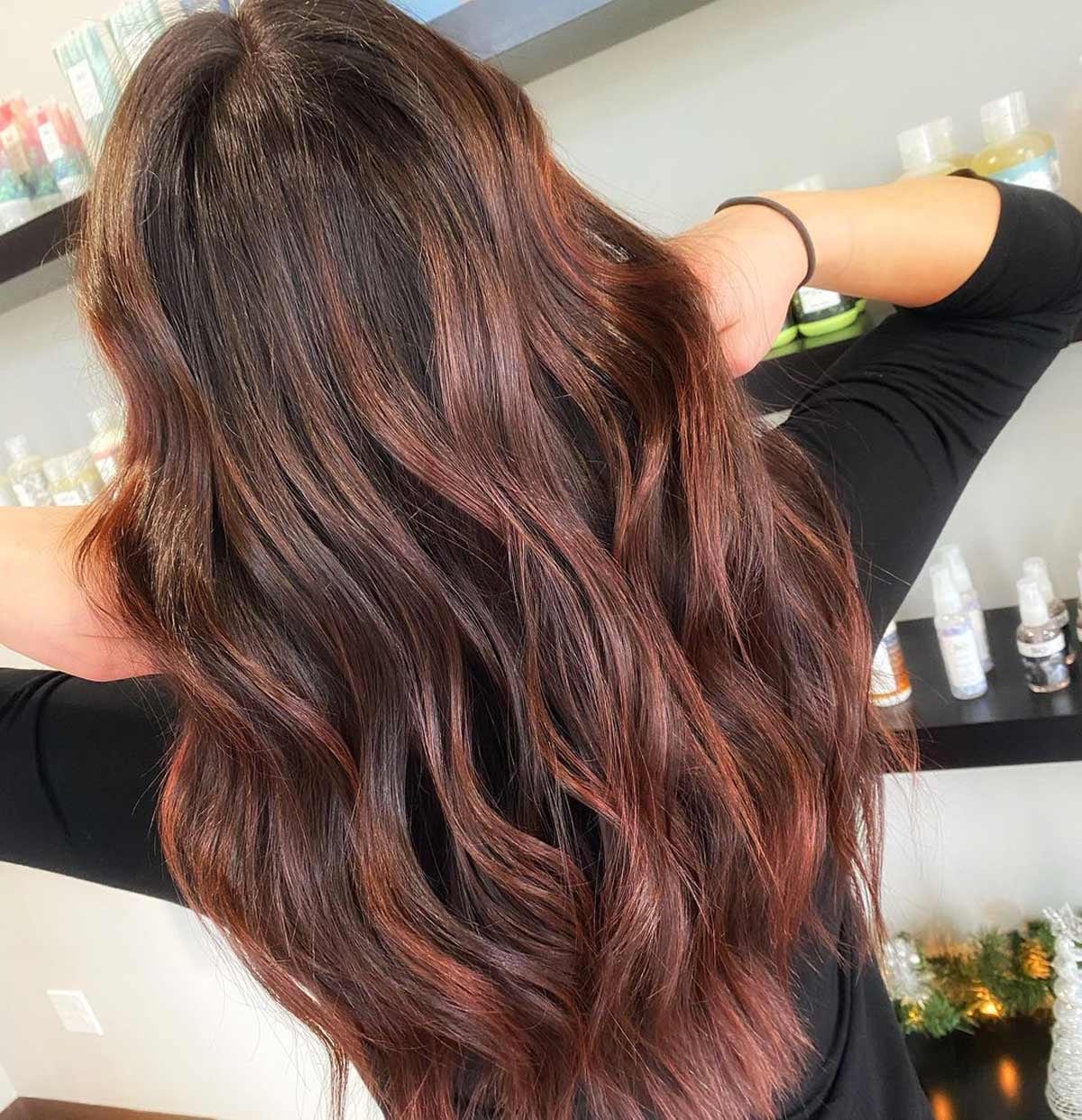
Copper on dark brown works because it never has to lift past orange into yellow. The colorist paints each strand low on the section, leaving the root untouched, so the tone appears deliberate, not like a failed attempt at blonde. Thick, wavy hair with layers already cut in gives the copper something to catch on. The middle part splits the color evenly, both sides get the same weight. Pass when you run cool year-round; copper demands warmth to look deliberate, not brassy.
Warm copper balayage blending root to tip
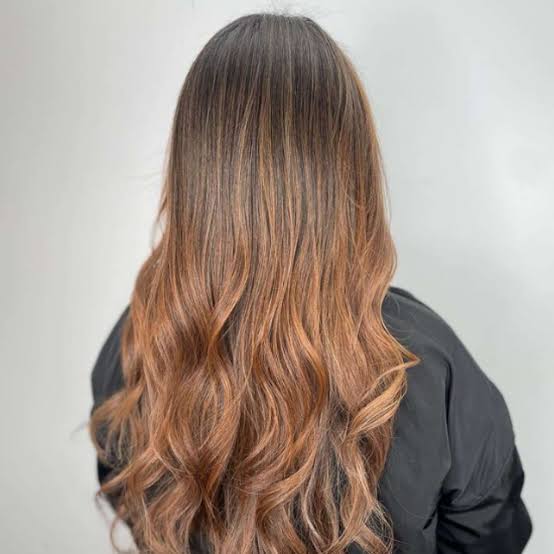
The back view shows the full story: the transition is gradual, never a hard line. Loose waves with a middle parting let the warm tones look sun damage rather than salon work. Thick, wavy hair at collarbone length or longer gives the gradient room to breathe. The catch: copper fades faster than ash tones. A color-depositing conditioner every third wash buys you two extra weeks between toning visits.
Natural dimensional look with subtle caramel balayage
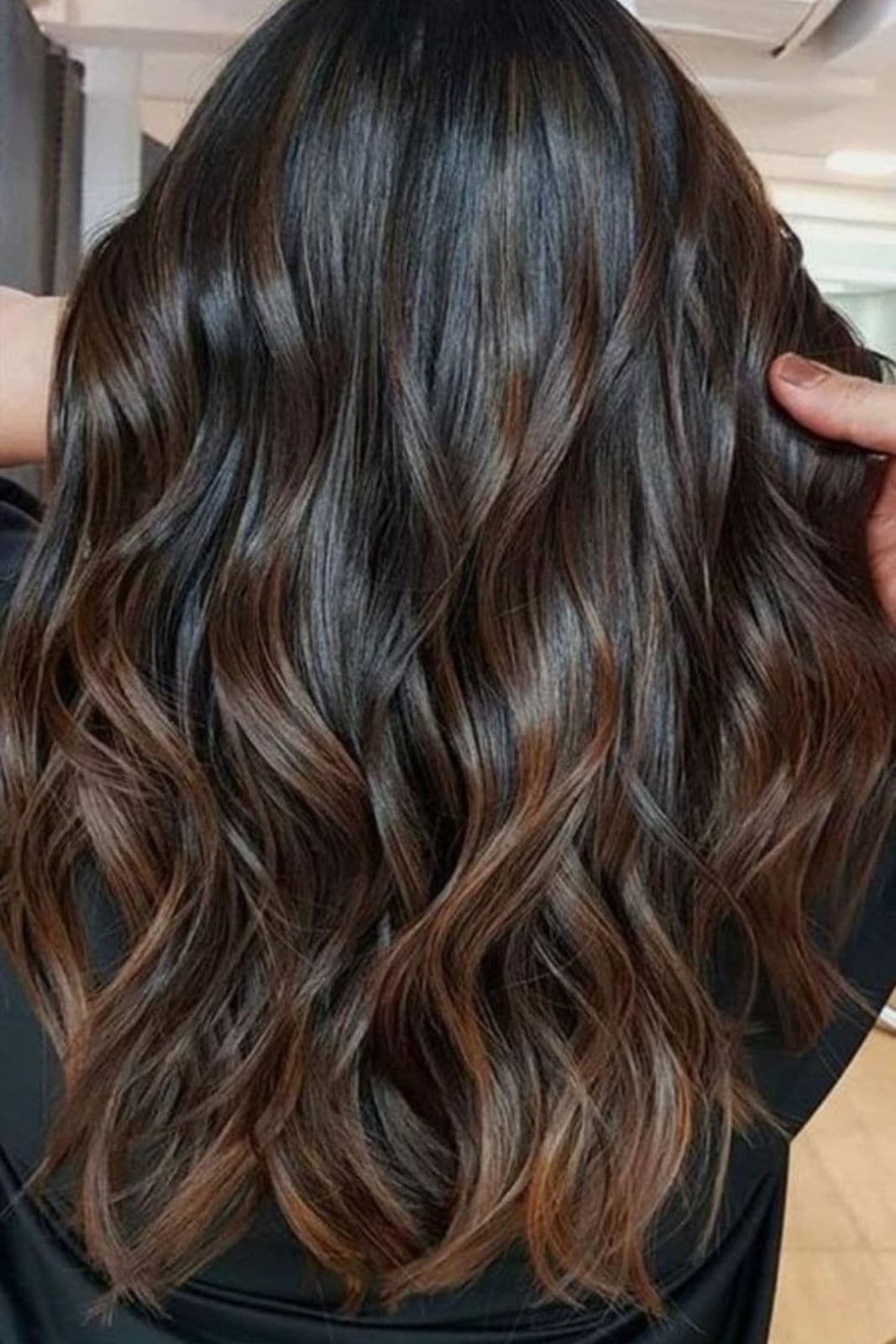
Caramel on dark brown is the least risky balayage choice. It warms the base without fighting it. Thick, wavy hair with a soft blowout lets the caramel sit in the waves. The middle part makes the color symmetrical, so both sides frame the face the same way. Suits most face shapes because the tone is neutral enough to not pull wide or narrow anything. This subtle caramel lives only on the ends, so visible highlights from the root are not part of the look.
Ash blonde balayage with side-swept bangs
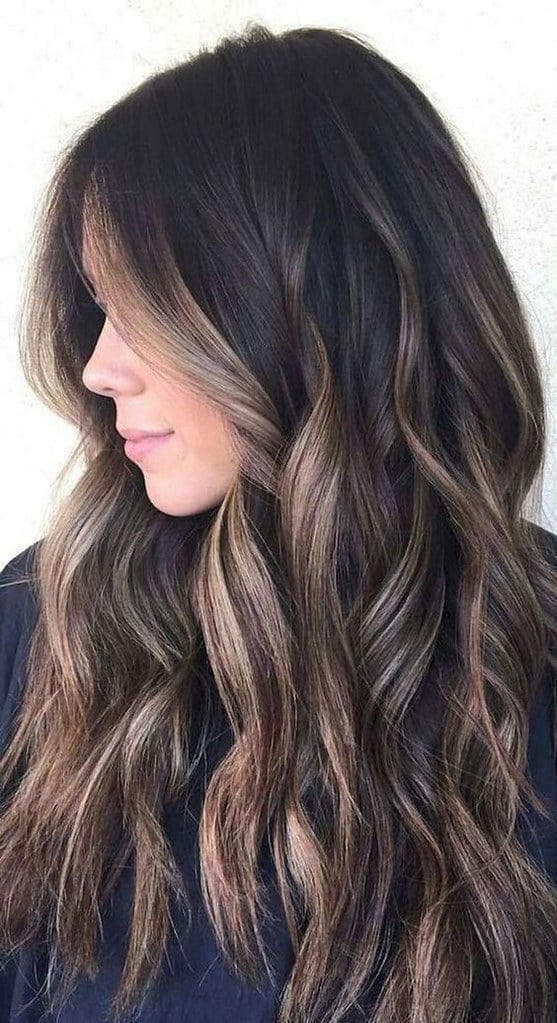
Ash blonde on dark brown requires the most precision in the bowl, too warm and it reads yellow, too cool and it reads gray. The side-swept bangs get their own lighter pieces, which makes the face-framing effect immediate. Loose waves with a side parting let the ash tones soften the contrast. Thick, wavy hair at collarbone length or longer holds the shape without constant heat styling. Skip it if you cannot commit to a purple shampoo once a week; ash blonde on dark bases needs the toner refreshed every six to eight weeks.
Ash blonde balayage starting mid-length
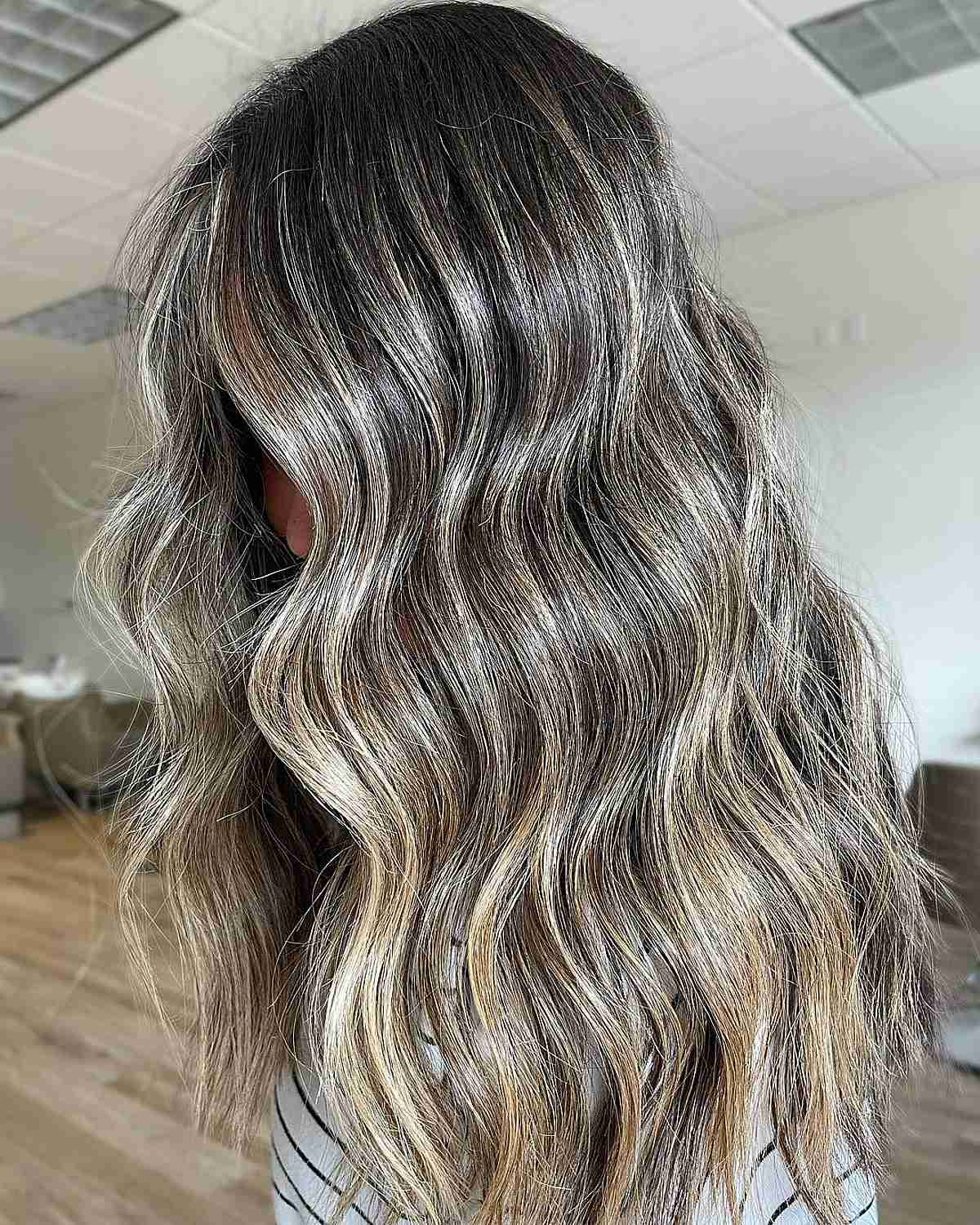
Lighter strands begin several inches from the root, which keeps the regrowth line soft and the dark base dominant. The ash blonde balayage on this thick, wavy hair uses a technique that paints color onto the mid-lengths and ends without saturating the entire section. A middle part shows the symmetry of the placement. It works best for those who prefer highlights starting farther from the root or have medium to thick hair. Ask your colorist for: dark brown base with ash blonde balayage starting mid-length.
Natural dimensional effect with caramel balayage, thick wavy
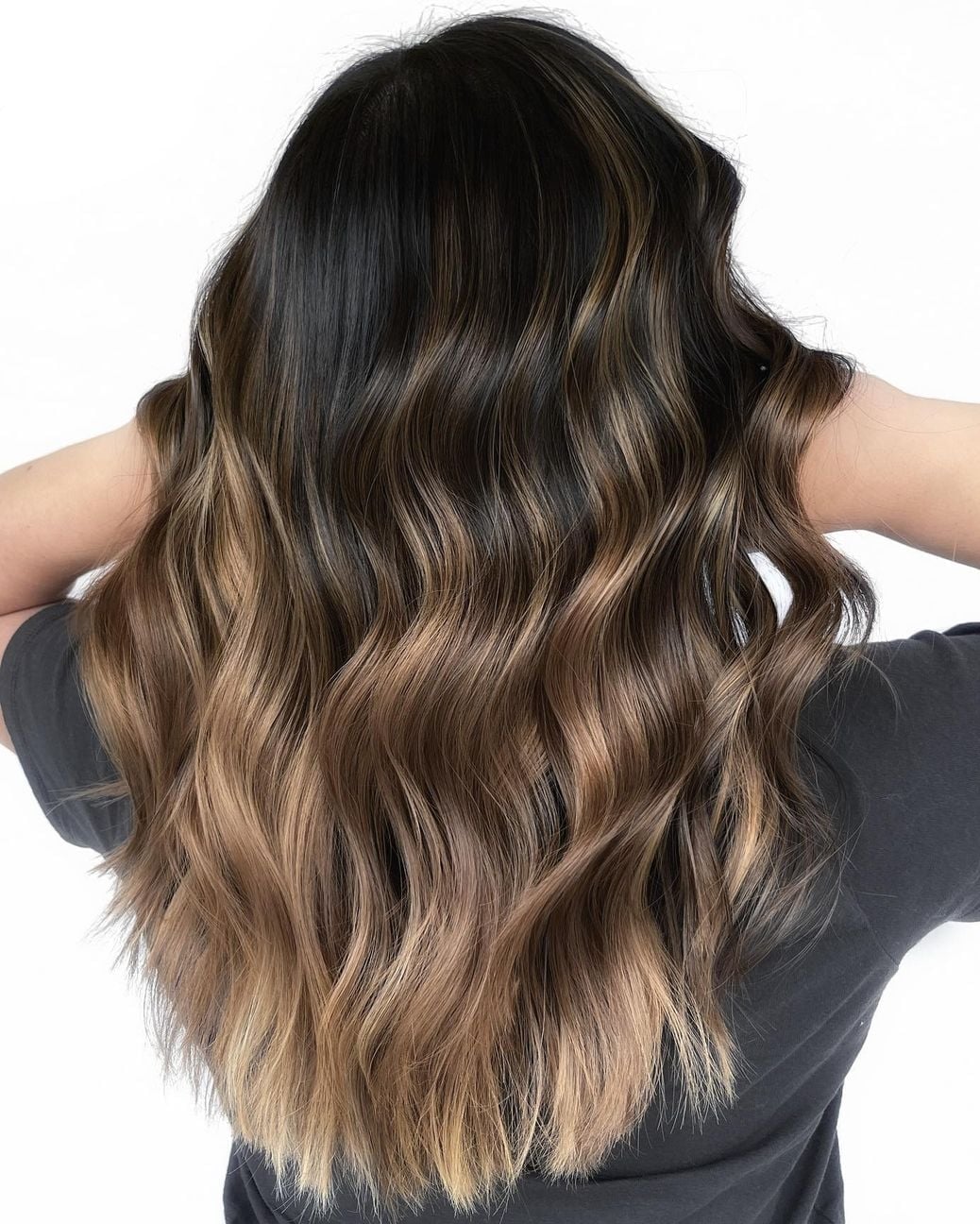
Soft caramel tones sit on a dark brown base, creating a gradient that looks like the color naturally lifted from the sun. The balayage technique here uses a hand-painted application that avoids harsh lines, making the transition feel gradual rather than applied. Thick, wavy texture helps the caramel strands catch each wave. The back view confirms the color stays concentrated through the lower half. Skip it if you prefer bold contrast or have very fine hair.
Caramel balayage strands on a rich brown base
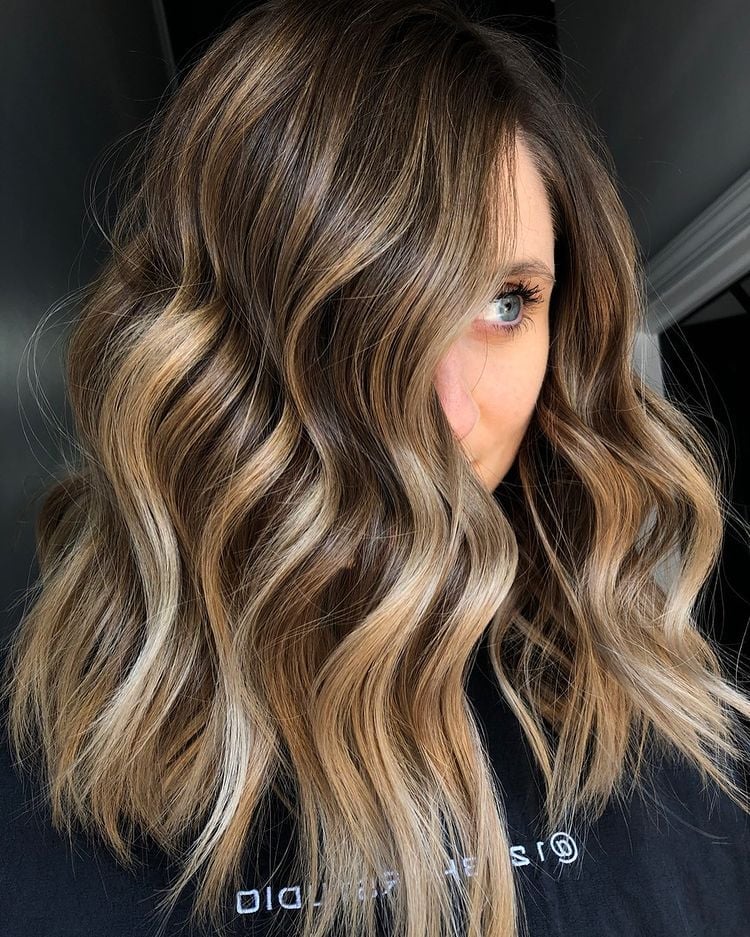
A rich brown base with caramel balayage reads warmer than an ash version but cooler than a copper one. The difference is the depth of the base: richer means the caramel pops more without looking brassy. Here, the strands are woven through layers, and a side part lets the lighter pieces fall forward. Thick, wavy texture gives each caramel section room to show. The layered cut helps the color sit at different heights, which adds movement. Ask your colorist for: rich brown base with caramel balayage, wavy layered cut.
Ash blonde balayage for dimension on dark hair
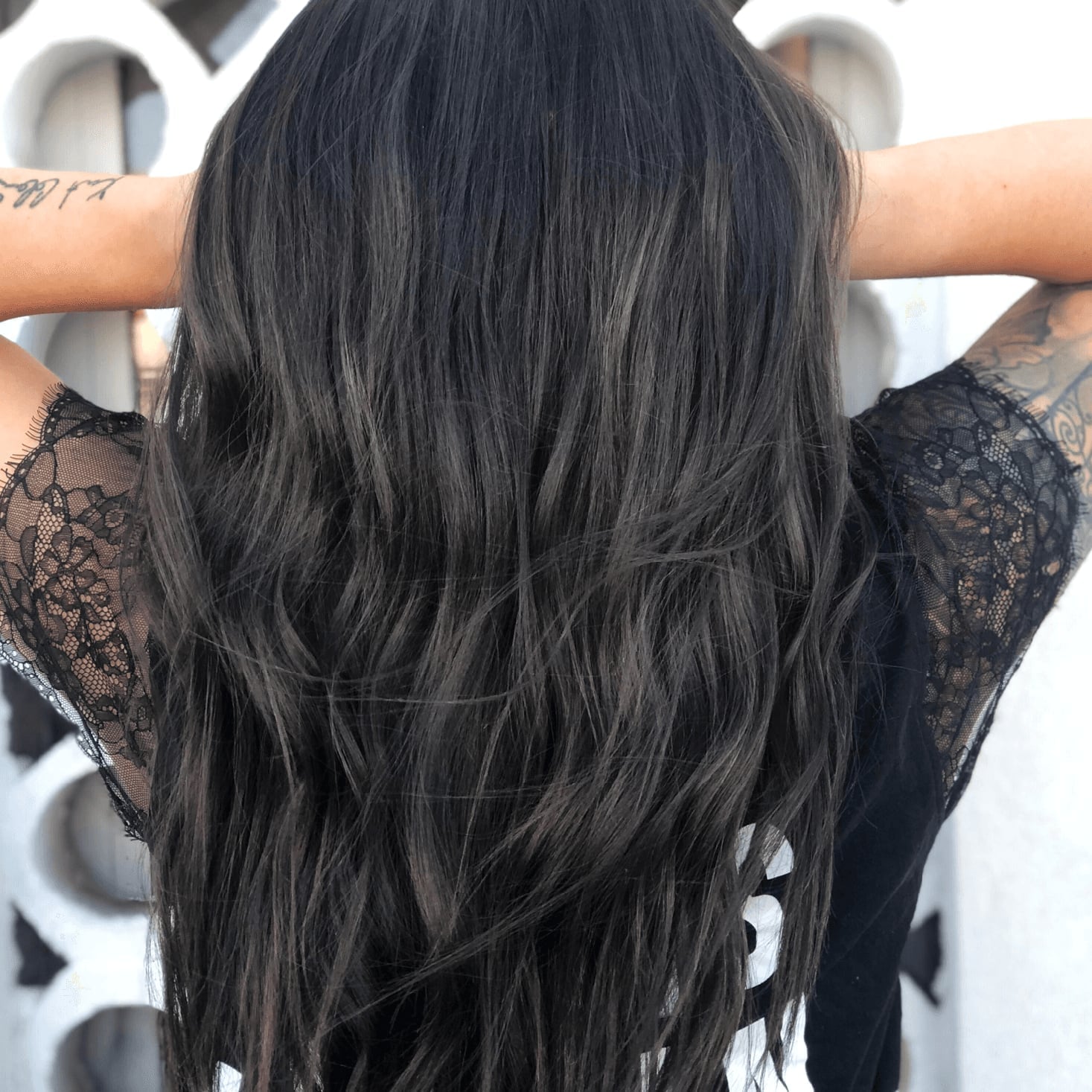
Ash blonde balayage on a dark brown base uses a cool tone to create contrast without warmth. The technique applies color through the mid-lengths and ends, leaving the root area untouched for a lived-in grow-out. This thick, wavy hair is styled with an air-dried finish, which gives the dimension a natural look. The back view shows how the ash tones sit against the dark base.
Warm caramel balayage for a lighter look, wavy
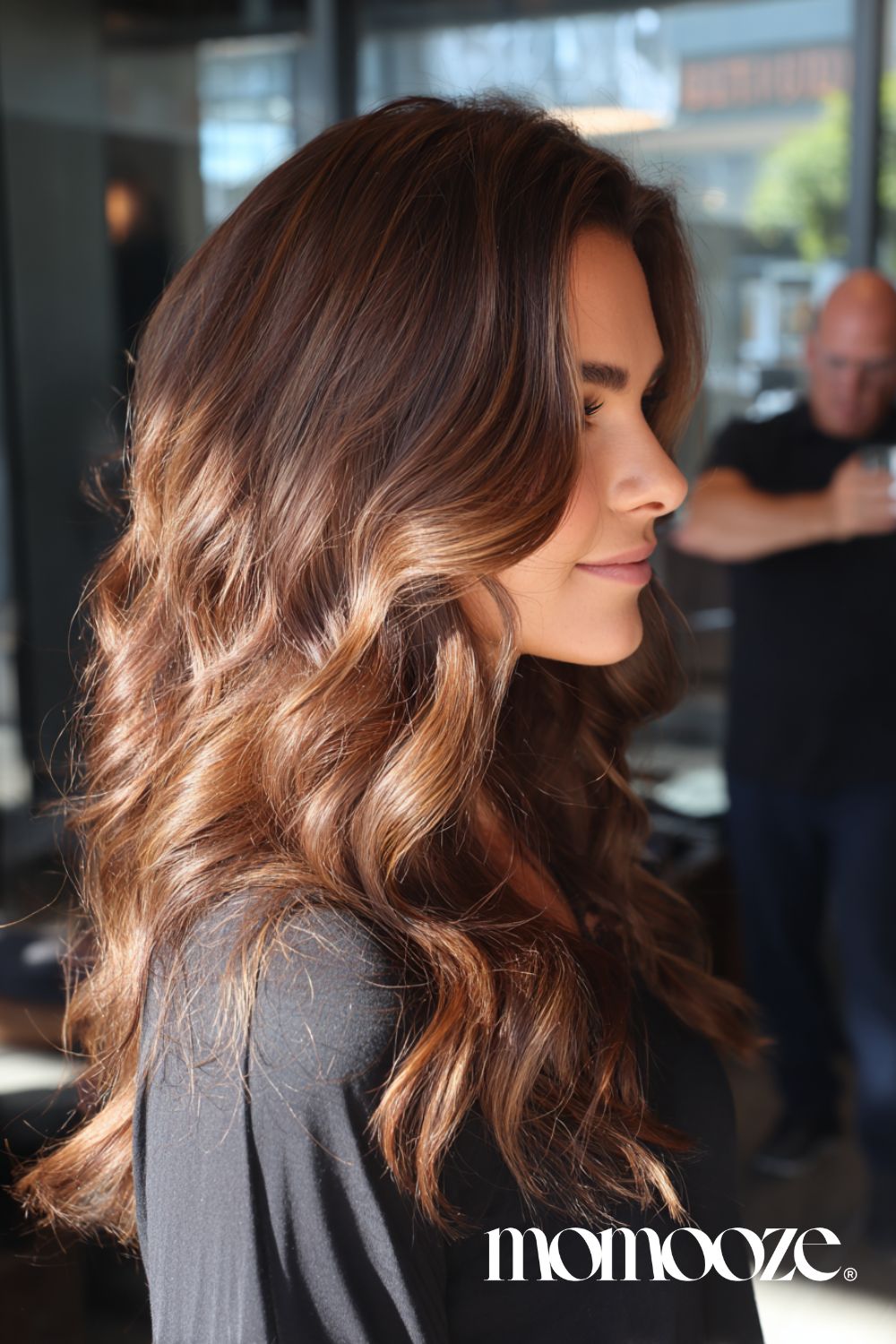
Warm caramel tones blended through a dark brown base give a lighter effect that works year-round. The balayage technique paints lighter strands through the mid-lengths and ends, leaving the root area darker for a natural fade. Thick, wavy hair styled with a blowout shows the color moving through each wave. A middle part keeps the placement even on both sides. Skip it if you prefer cool tones or want a dramatic color contrast. Ask your colorist for: dark brown base with warm caramel balayage.
Ash blonde balayage strands for soft dimension
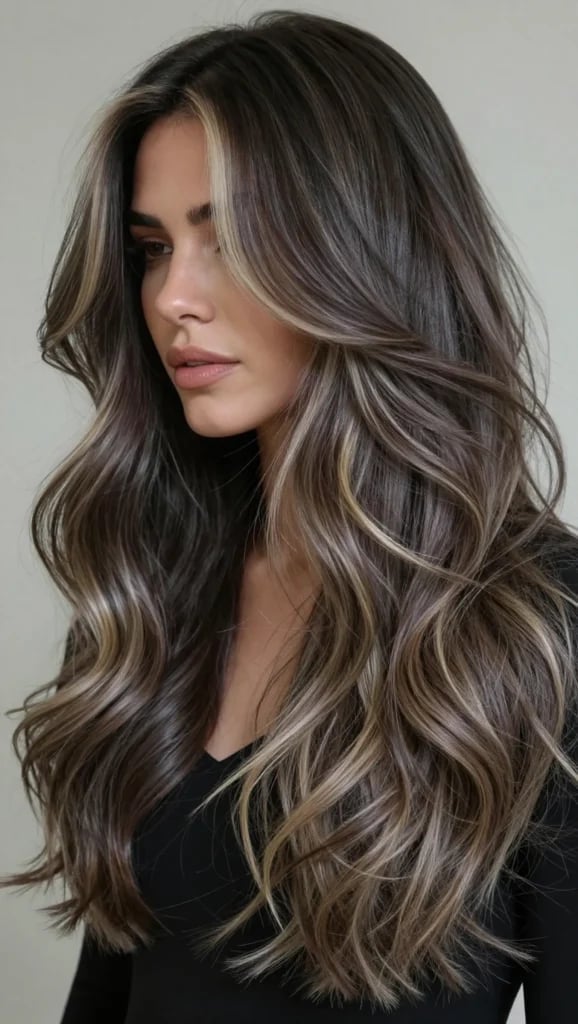
Ash tones on a dark base read cooler than caramel, which is the point. This version places ash blonde balayage strands through the mid-lengths and ends of thick, wavy hair, keeping the root dark. The soft dimension comes from the contrast, not from heavy lifting. It suits a cool complexion and hair that already has some wave to carry the lighter pieces. Skip it if warm tones are your default or you dislike the ashy cast that settles in after a few weeks.
Striking blonde money piece on a dark brown lob
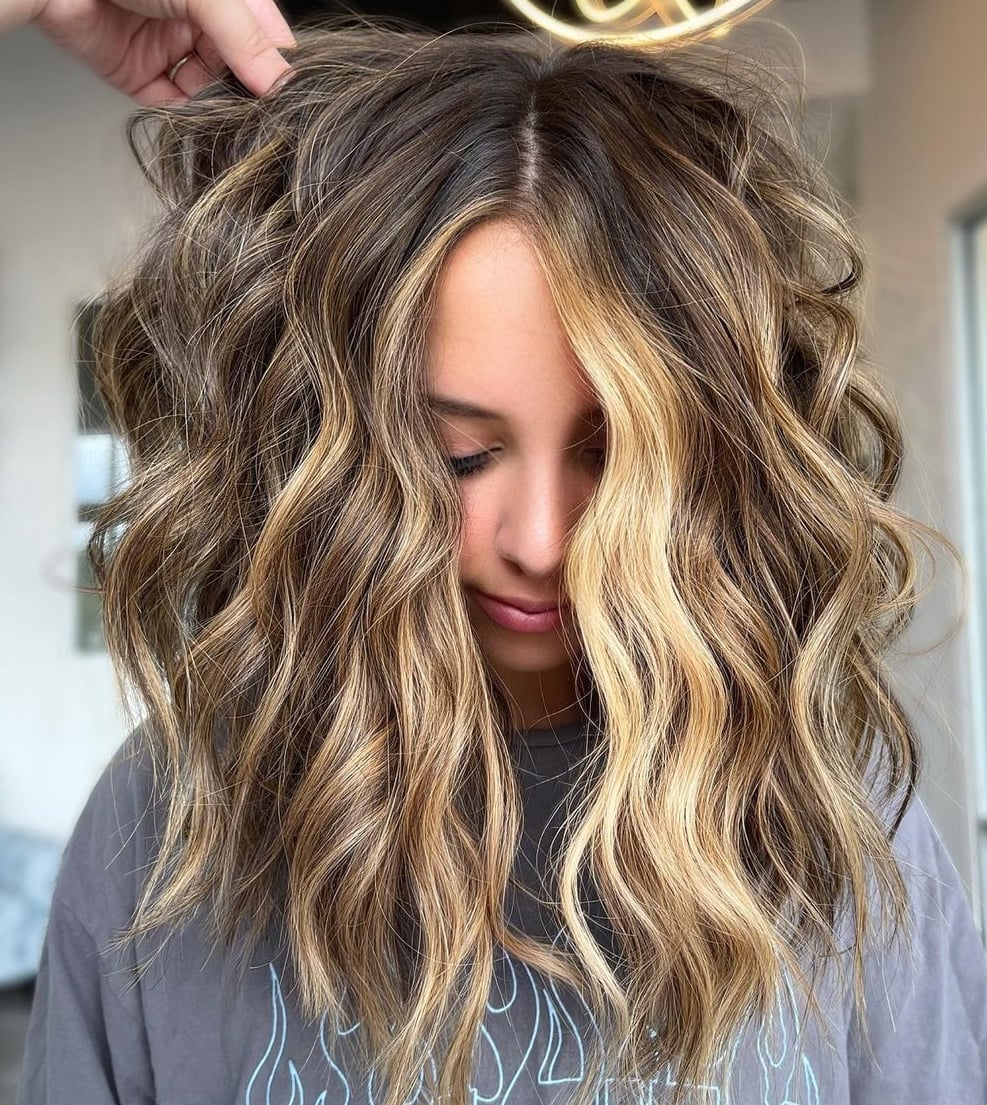
Where a full balayage feels too committed, a money piece on a dark brown lob offers a lower-risk entry. The bold blonde sections frame the face while the rest stays dark, so the contrast looks intentional. This works best for social occasions and everyday wear alike, because the lighter strands catch attention without needing a full head of highlights. The lob cut keeps the shape clean. Ask your colorist for a dark brown base with striking blonde balayage and a bold money piece. It is not subtle, which is exactly the appeal.
Subtle caramel balayage highlights on dark hair
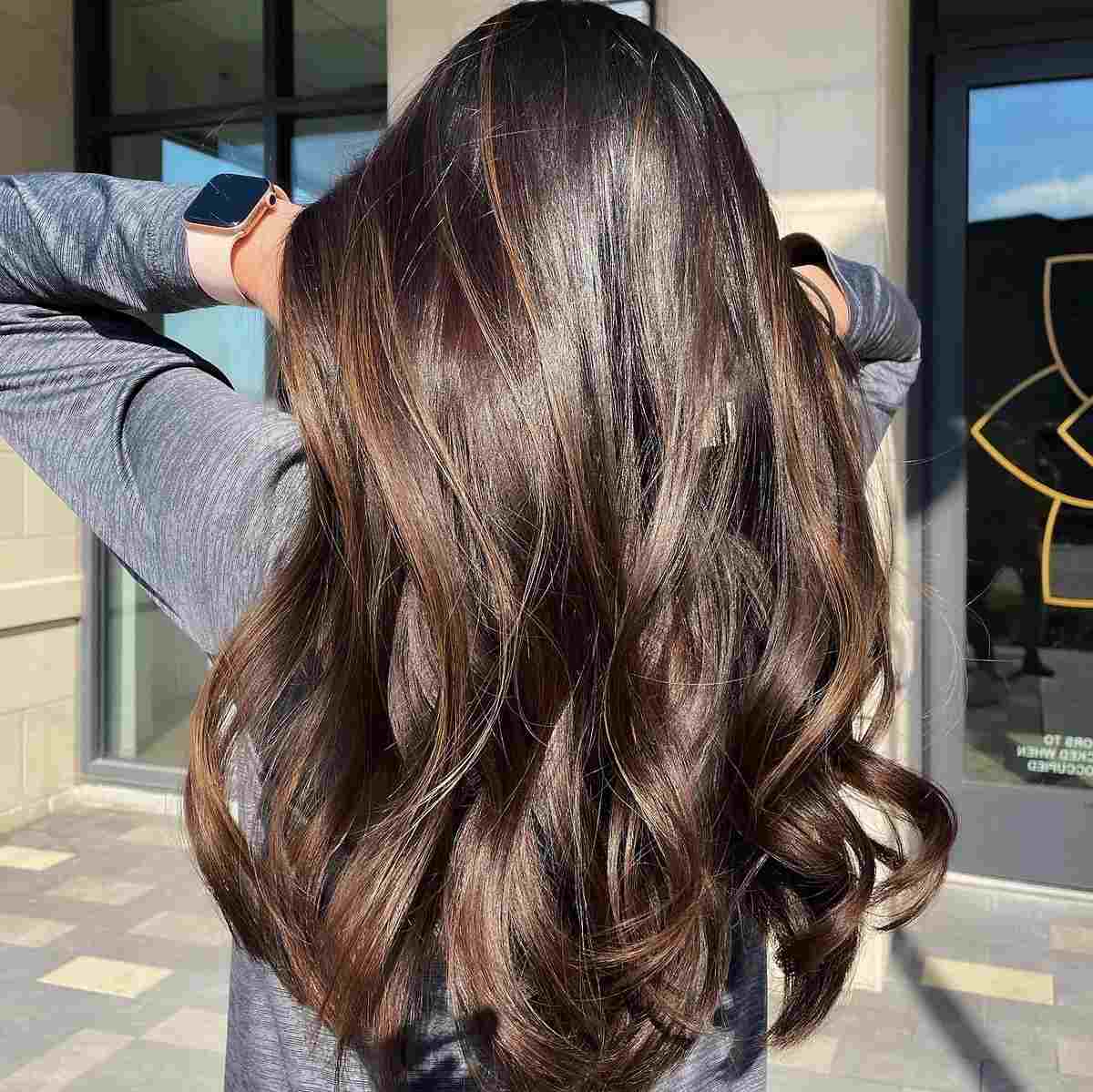
Caramel on dark brown is a known formula, but the subtlety here is what separates it from a standard highlight. The balayage technique places thin caramel strands through thick, wavy hair so they blend rather than stripe. About two hours in the chair covers the application, and the grow-out is soft because the root stays dark. A texturizing spray on damp hair enhances the wave pattern without extra heat. The result looks natural, not applied.
Ash blonde ends framing the face smoothly
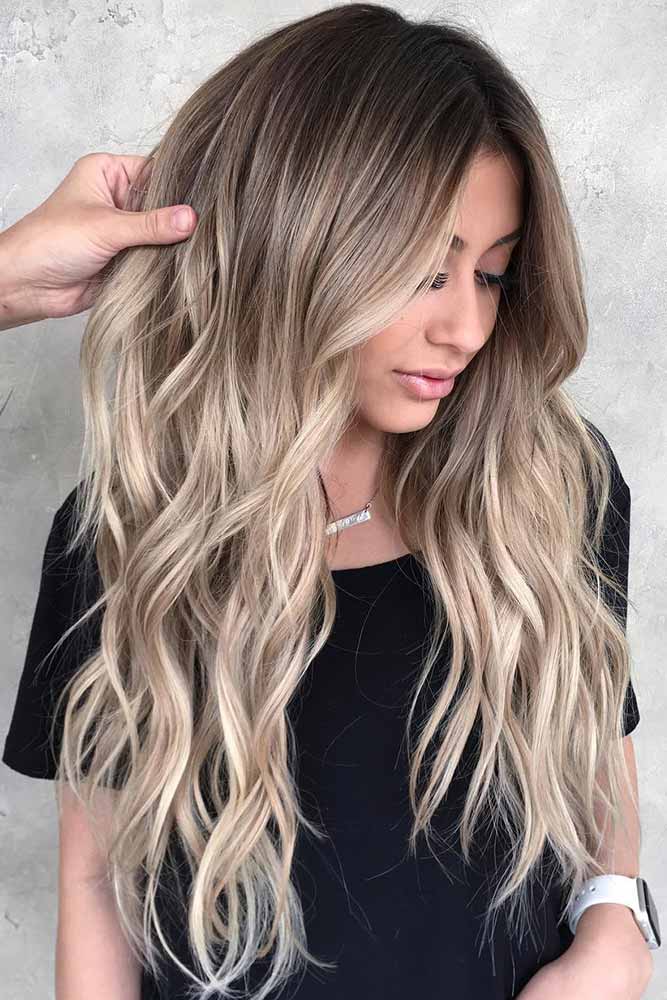
This is not a DIY project. The smooth transition from dark brown roots to ash blonde ends requires soft, blended strokes that only a colorist can place correctly. The lighter pieces at the front frame the face without a hard line, so the grow-out phase looks intentional rather than overdue. Thick, wavy hair carries the ash tone well because the texture scatters light. Ask your colorist for dark brown to ash blonde balayage with soft blended strokes. A toning appointment at week six keeps the ends from pulling green.
Auburn balayage transition adds dimension
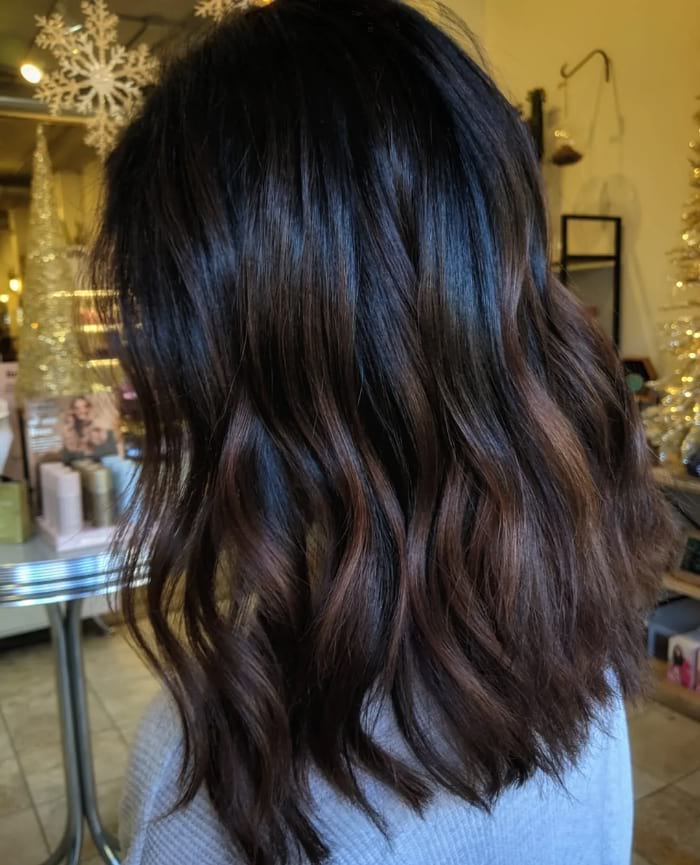
Copper gets the attention, but auburn on dark brown offers the same warmth with less upkeep. The subtle auburn balayage here starts mid-length on a lob cut, leaving the root untouched. The centered parting and wavy texture let the auburn strands add dimension. It suits a warm complexion without the orange risk of a full copper. Cool tone lovers may want to pass because auburn can pull brassy over time. A color-safe shampoo extends the window between toning visits.
Caramel balayage highlights for brightness
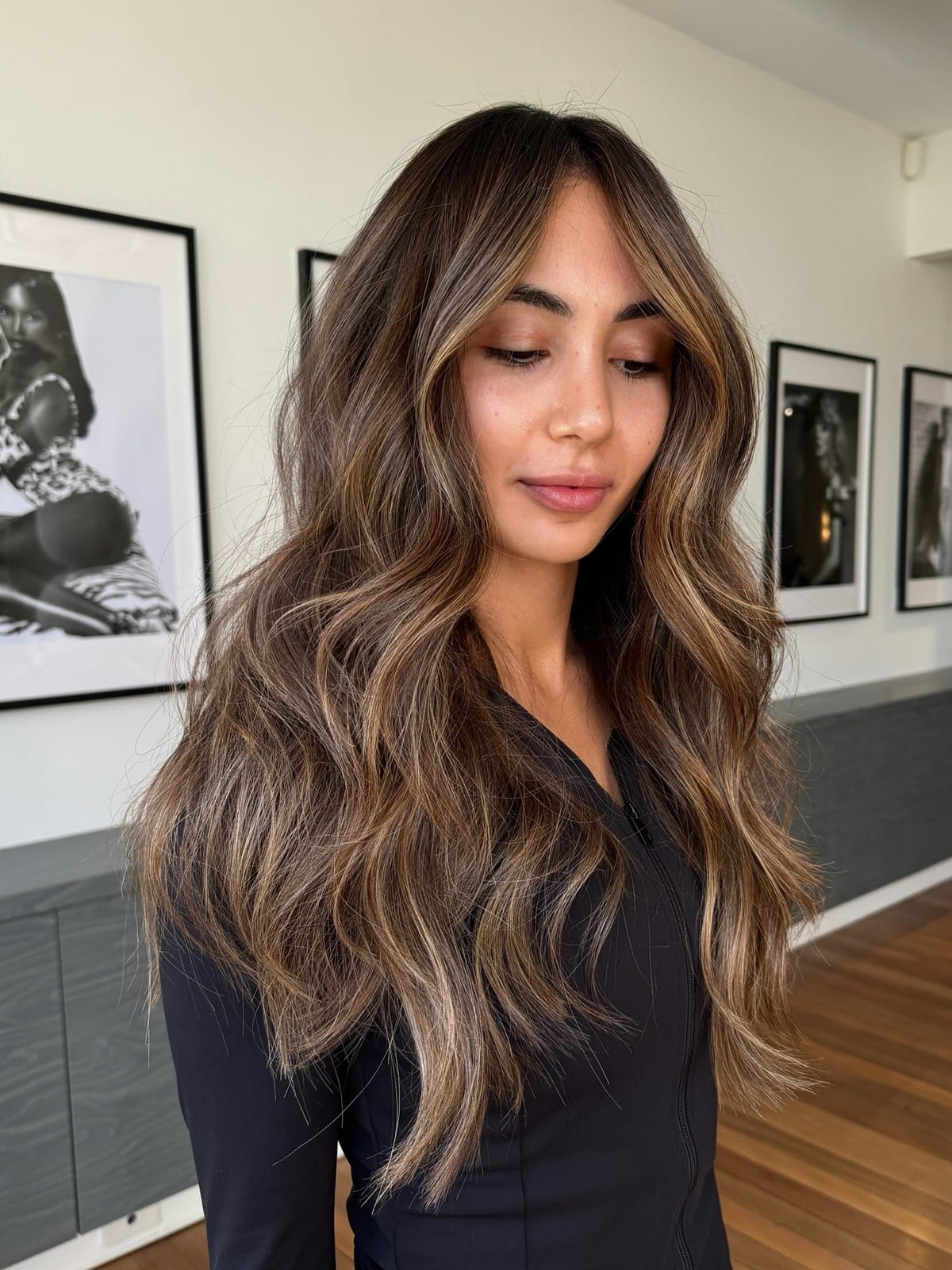
Thick, wavy hair gains a structured lift from this hand-painted technique. The dark brown base meets caramel balayage placed on the mid-lengths and ends, not the root. A middle part splits the color evenly, while the blowout keeps each wave distinct. The contrast is strong, not subtle. Ask your colorist for a dark brown base with caramel balayage on mid-lengths and ends. A texturizing spray keeps the waves defined between washes.
Subtle caramel balayage woven through dark hair
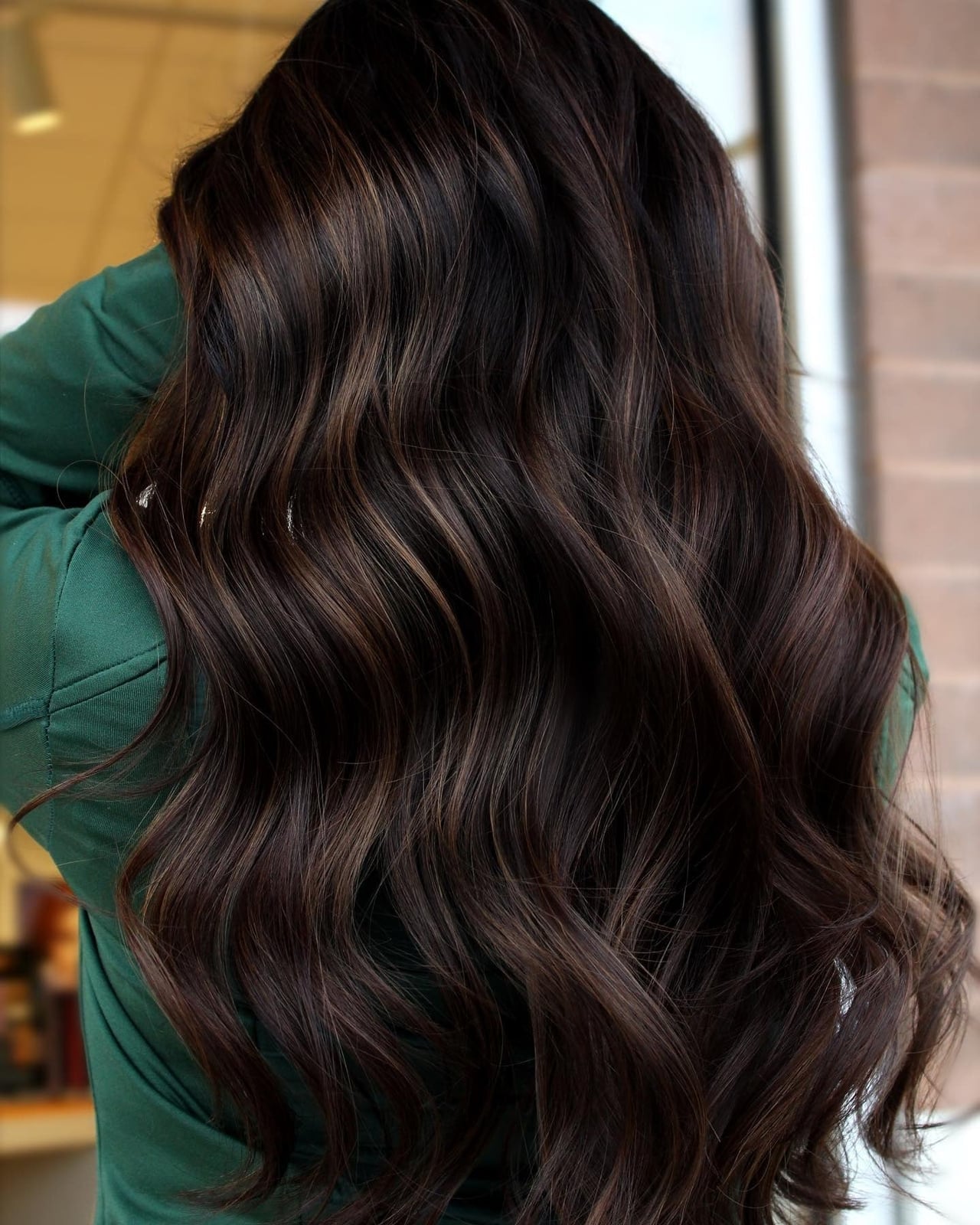
A back view shows what a smooth blend really looks like. The rich dark brown base holds subtle caramel highlights that look a natural lightening, not a separate color. Thick, wavy texture helps the tones merge without a hard line. Skip this if you want bold, obvious highlights. The effect here is quiet, not loud. A leave-in conditioner keeps the waves soft and the color looking fresh.
Blonde balayage creates a lighter look
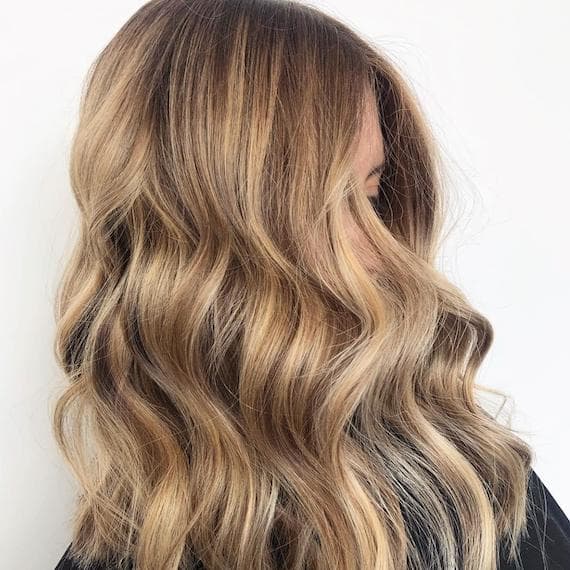
This works best on thick hair with soft layers starting at collarbone length or longer. The dark brown base lifts into a smooth blonde balayage, with the middle part letting both sides catch equal light. The blowout is loose, not stiff, which keeps the lighter effect natural. Skip it if you prefer subtle highlights. The blonde here is visible, not whispered. Ask your colorist for a dark brown base with smooth blonde balayage and soft layers. A heat protectant before blow-drying keeps the ends healthy.
Ash blonde balayage with air-dried texture
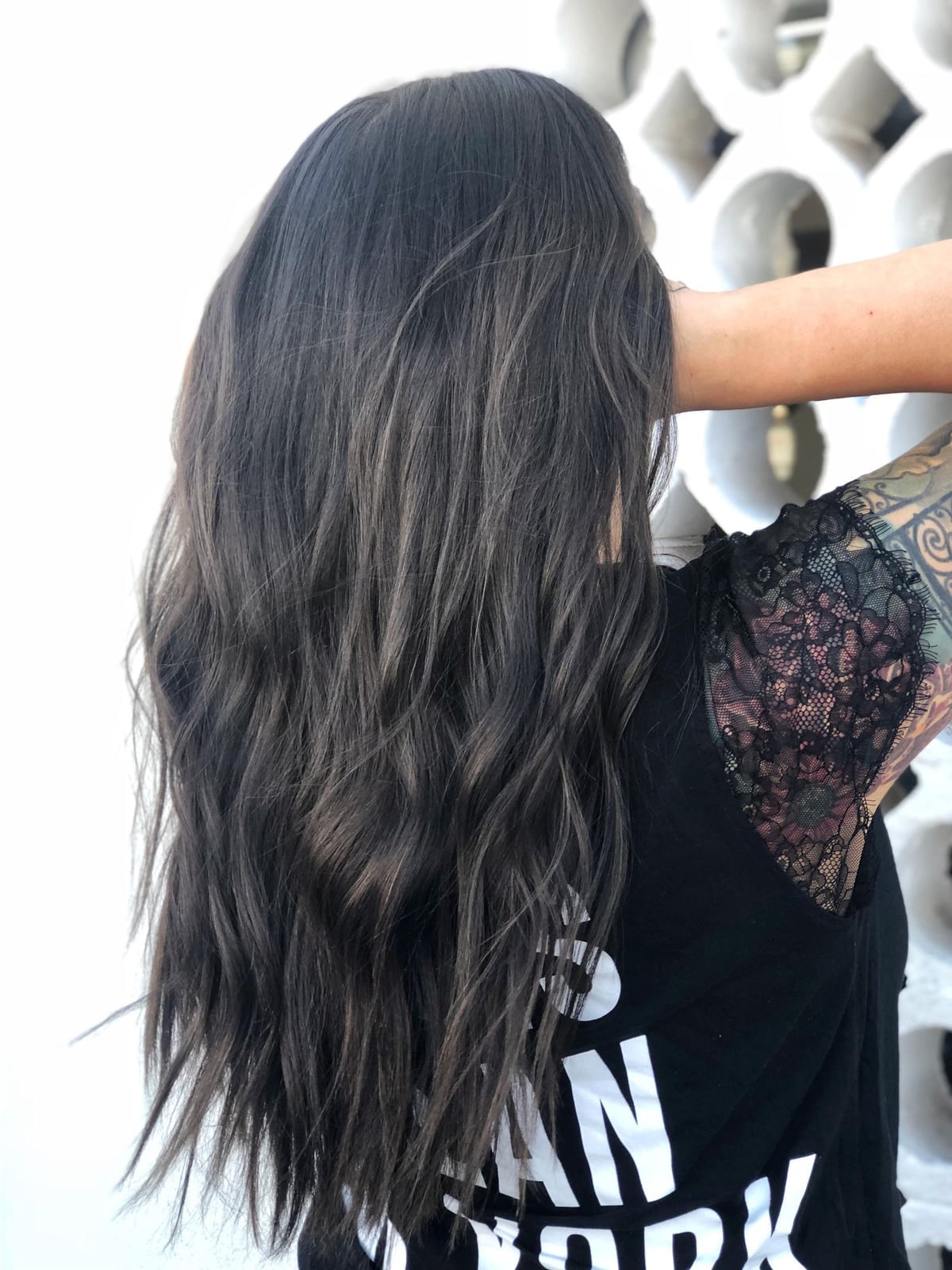
An air-dried finish makes this a cooler-weather choice. The dark brown base shifts into ash blonde balayage, with the loose waves setting the tone rather than a blowout. Thick, wavy hair holds the shape without product, which saves time on busy mornings. The catch: ash tones can read flat on very warm undertones. A sea salt spray adds texture without weighing the waves down.
Contrasting blonde balayage strands on dark hair
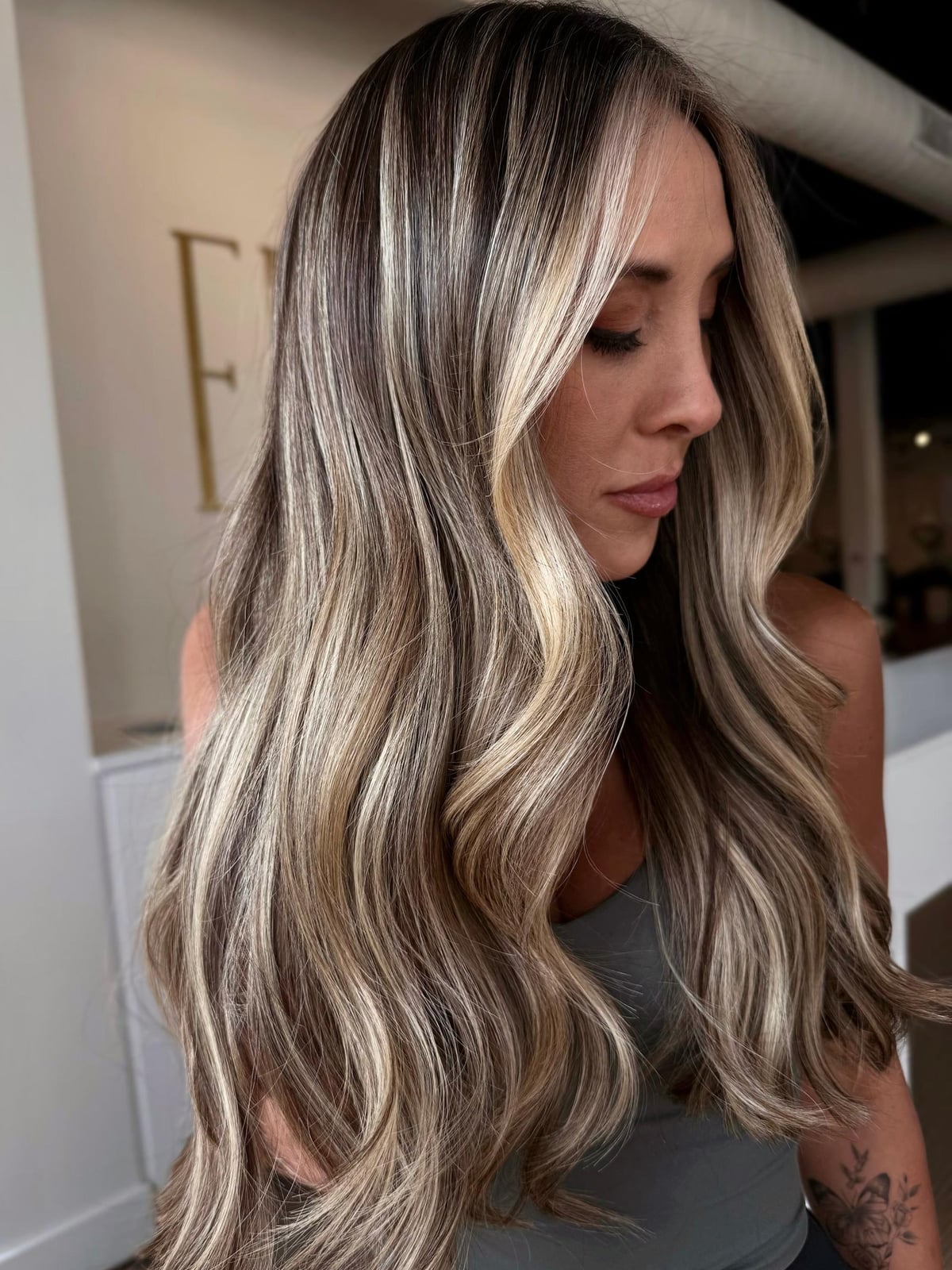
Two tones, one clear winner. The dark brown base carries striking blonde balayage strands that stand out against the deeper color, especially from a side view. Long layers and a middle part emphasize the contrast. Thick hair supports the color without looking sparse. It works best for those who want high contrast rather than blended highlights. Ask your colorist for a dark brown base with striking blonde balayage and long layers. A heat protectant before styling keeps the strands smooth.
Ash blonde balayage for smooth transition
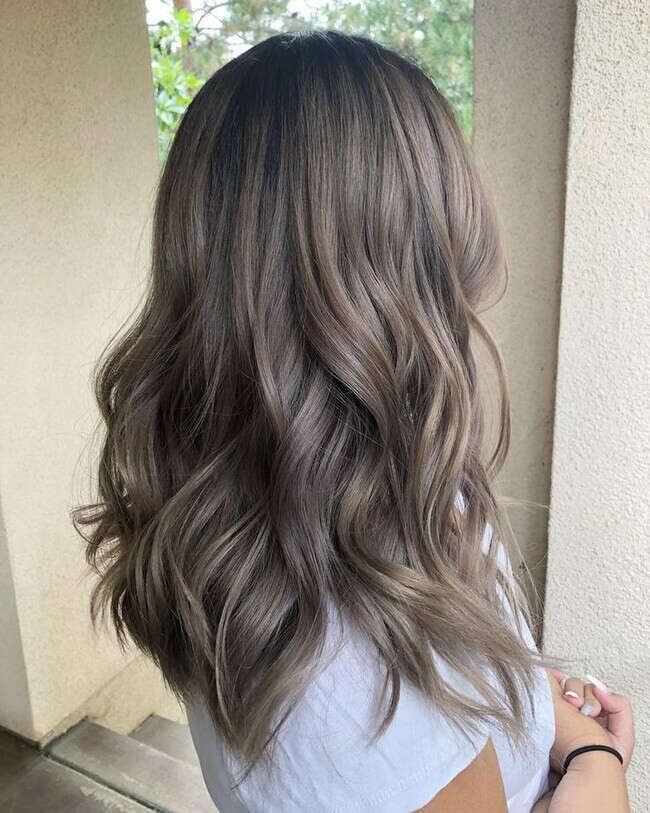
Start with a base that’s two shades lighter than your natural at the ends. The dark brown root stays put, and the ash blonde balayage begins below the ear. This works best on thick, wavy hair with a middle part. Skip it if you have very warm undertones or dislike ash tones. The cool blonde can pull gray on some bases. The soft waves are a blowout, not a curl iron.
Beige balayage creates a soft dimensional effect
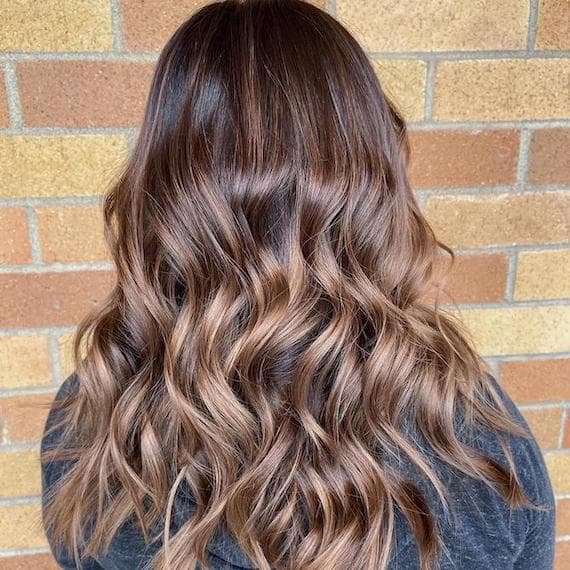
Beige balayage sits between caramel and ash on the tone spectrum. It reads warmer than ash but cooler than gold, which makes it a middle-ground choice for dark brown bases. Ask your colorist for: dark brown base with smooth beige balayage. The loose waves and middle part soften the transition further. This is a subtle fade, not a statement. The back view shows the dimension best.
Smooth transition with warm caramel balayage
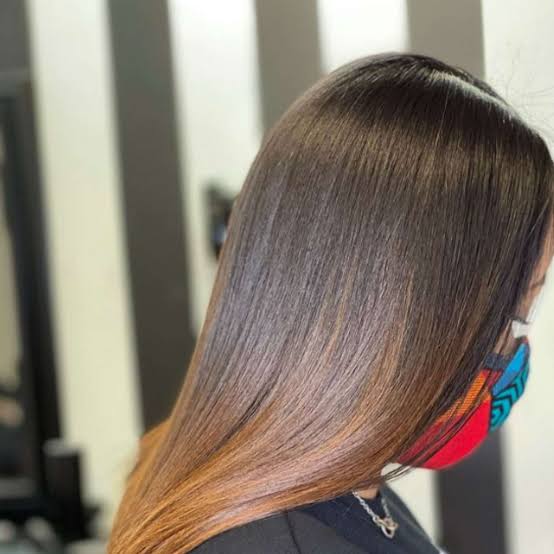
Two rules for a smooth transition: keep the dark brown base untouched at the roots and paint the warm caramel tone in fine sections. The middle part and straight blowout show the gradient clearly. Fine, straight hair at collarbone length or longer holds the sleek finish best. Skip it if you have very thick hair or prefer textured styles. The straight blowout requires daily heat styling. A smoothing serum is enough for shine.
Ash blonde balayage strands for grown-up contrast
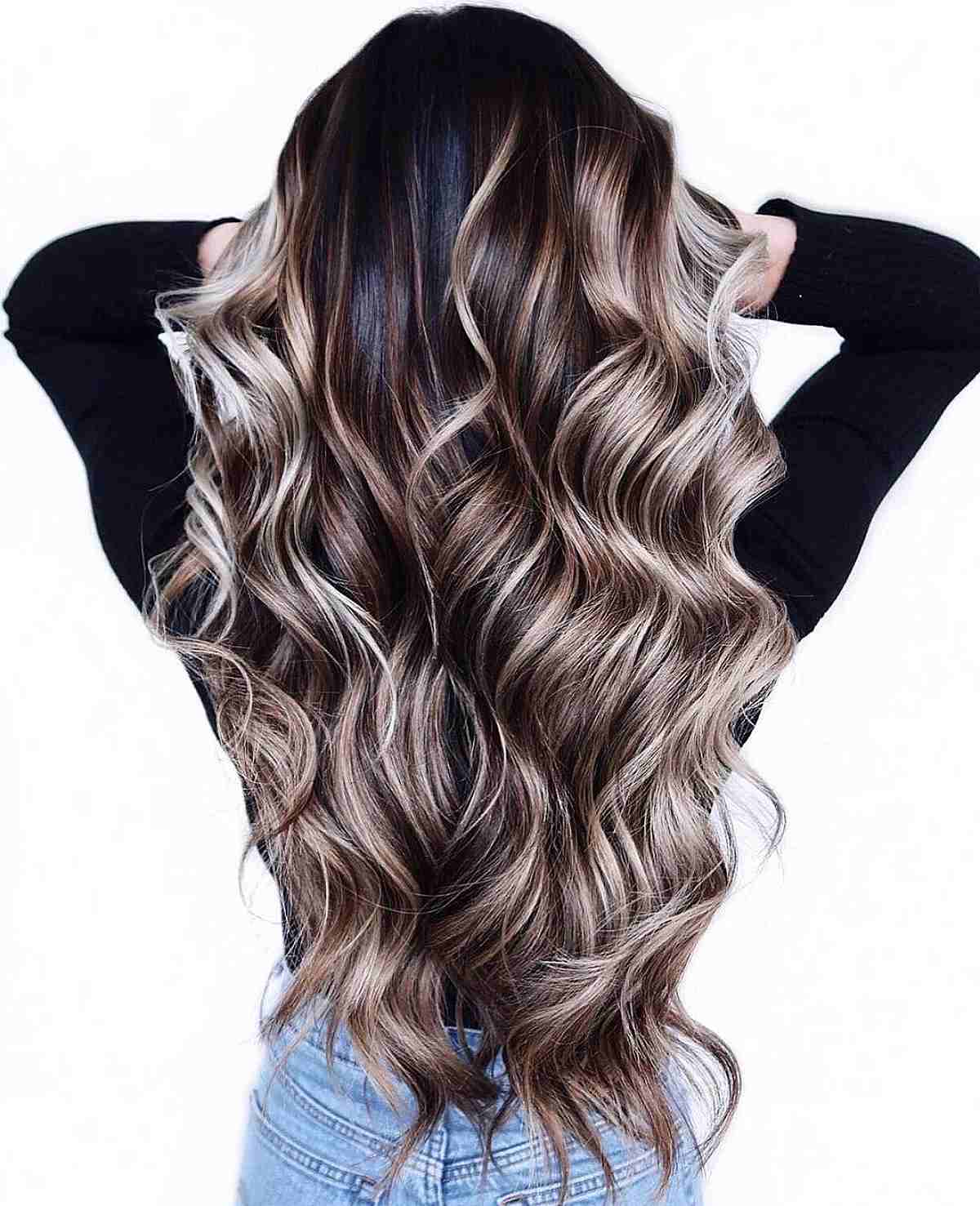
The trade-off with striking ash blonde balayage on dark brown is contrast versus maintenance. The long layers and loose waves make the blonde strands look deliberate, not grown out. Ask your colorist for: dark brown base with striking ash blonde balayage, long layers. Thick hair starting at collarbone length or longer supports the lighter pieces. The catch: the ash blonde will need a toning gloss every six to eight weeks to stay cool. Use a heat protectant before a blowout.
Final Thoughts
Your choice comes down to one thing: how much contrast you want between the base and the lighter pieces.
- Subtle shift: caramel balayage woven through mid-lengths and ends
- Striking contrast: blonde money piece or ash blonde strands
- Warmth without brass: copper or auburn balayage on a cool base
- Low maintenance: a root-smudged ash tone that grows out soft
Find the balayage that whispers or shouts your style.