You booked the consultation, and bronde is on the table. It sits between brown and blonde, which means it photographs well under office lights and grows out with a softer line than full highlights. That makes the decision worth the chair time now, especially when curtain bangs and lived-in color are the direction people actually ask for.
This collection shows 28 ways Classy Bronde Haircolor 2027 fills saved boards for good reason. You get low-upkeep root blends, high-contrast face-framers, and everything between, all on real hair with real texture. The struggle this solves: finding a shade that stays modern past the first wash.
Rich brown base with lighter blonde balayage
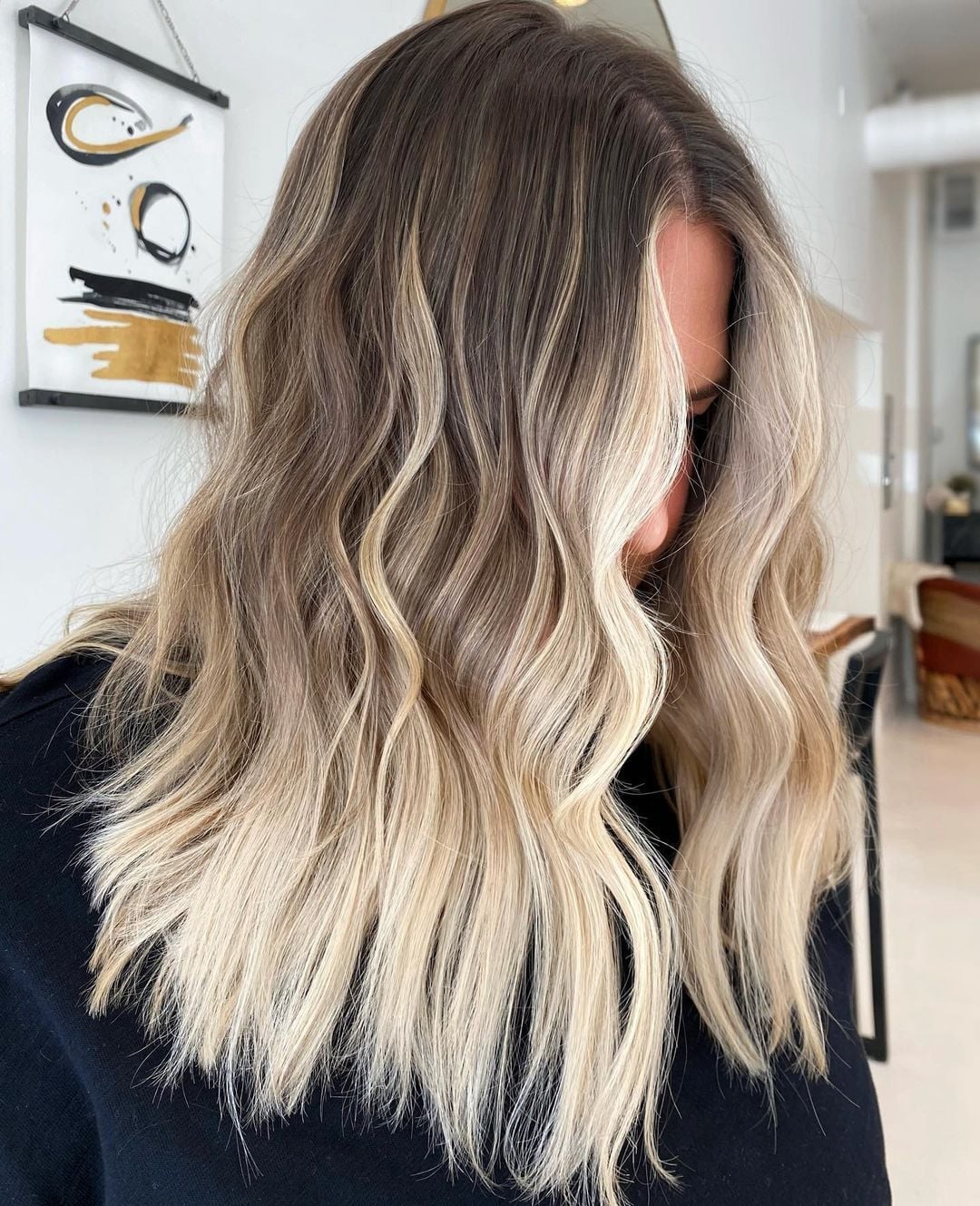
A middle parting and soft layers give this color room to breathe. The rich brown base anchors the design, while lighter blonde highlights sweep through in a balayage that never looks painted on. Loose waves show every transition between the two tones. Medium to thick hair holds that wave best. The contrast defines the look. Ask your colorist for: rich brown base, lighter blonde balayage, soft layers.
Natural lighter effect with face-framing strands
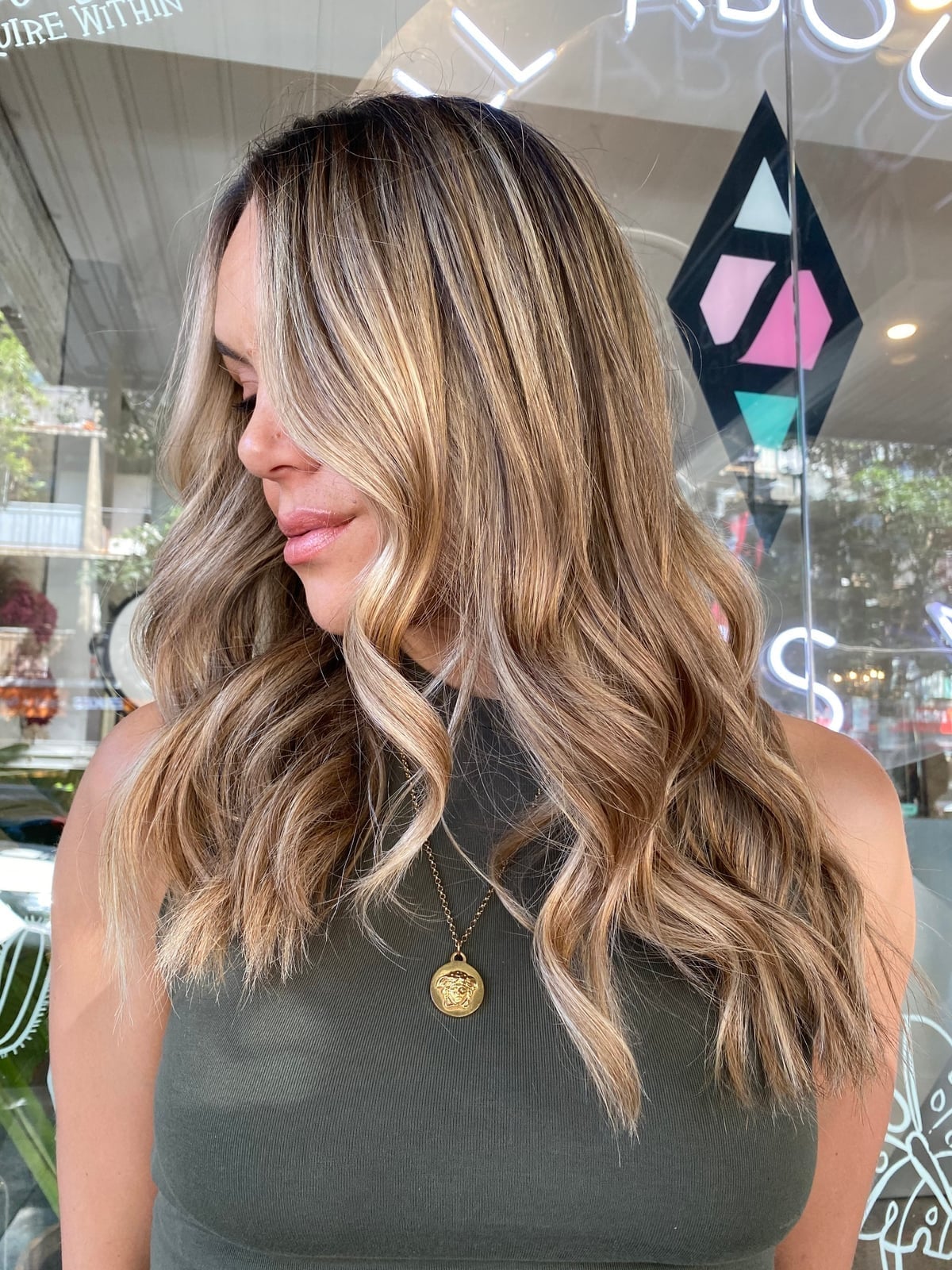
Wondering how to get a lit-from-within look without obvious lines? A rich brown base melts into lighter blonde highlights, with the brightest pieces concentrated around the face. The strands stay soft, never chunky, and the side part lets them fall naturally. This works best on medium to thick hair that already has a brown base to blend into. This is a subtle, blended effect.
Cool ashy undertones and subtle highlights
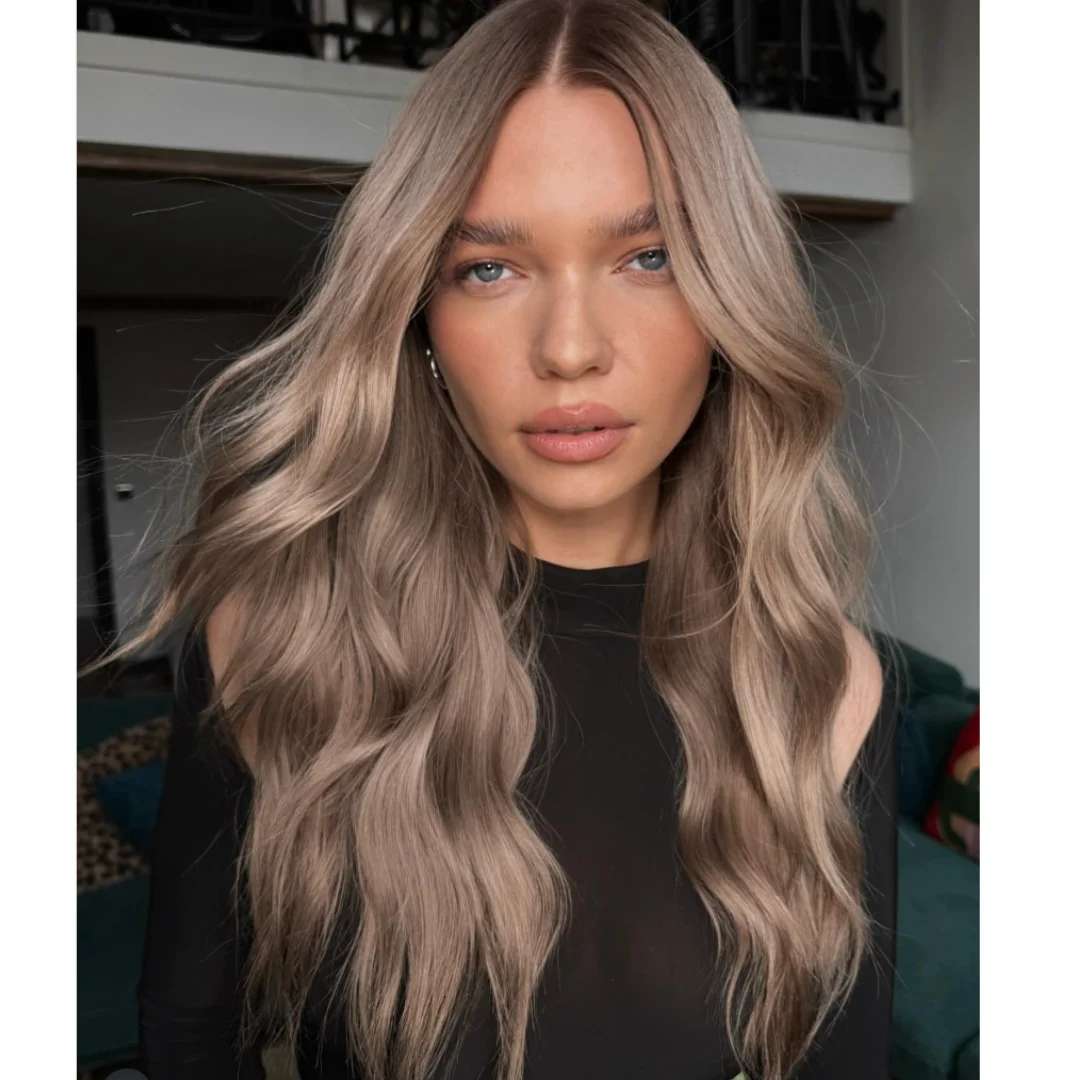
A warm bronde it is not. This version keeps the base cool and ashy, with subtle highlights that add depth without heat. The middle part and layered cut let those undertones show evenly through the wave pattern. Medium to thick hair carries the tone best. Not for anyone who tends to pull brassy. This needs a cool canvas to stay true. Tell your colorist: cool ashy bronde, subtle highlights, layered cut.
Dark brown base with caramel highlights
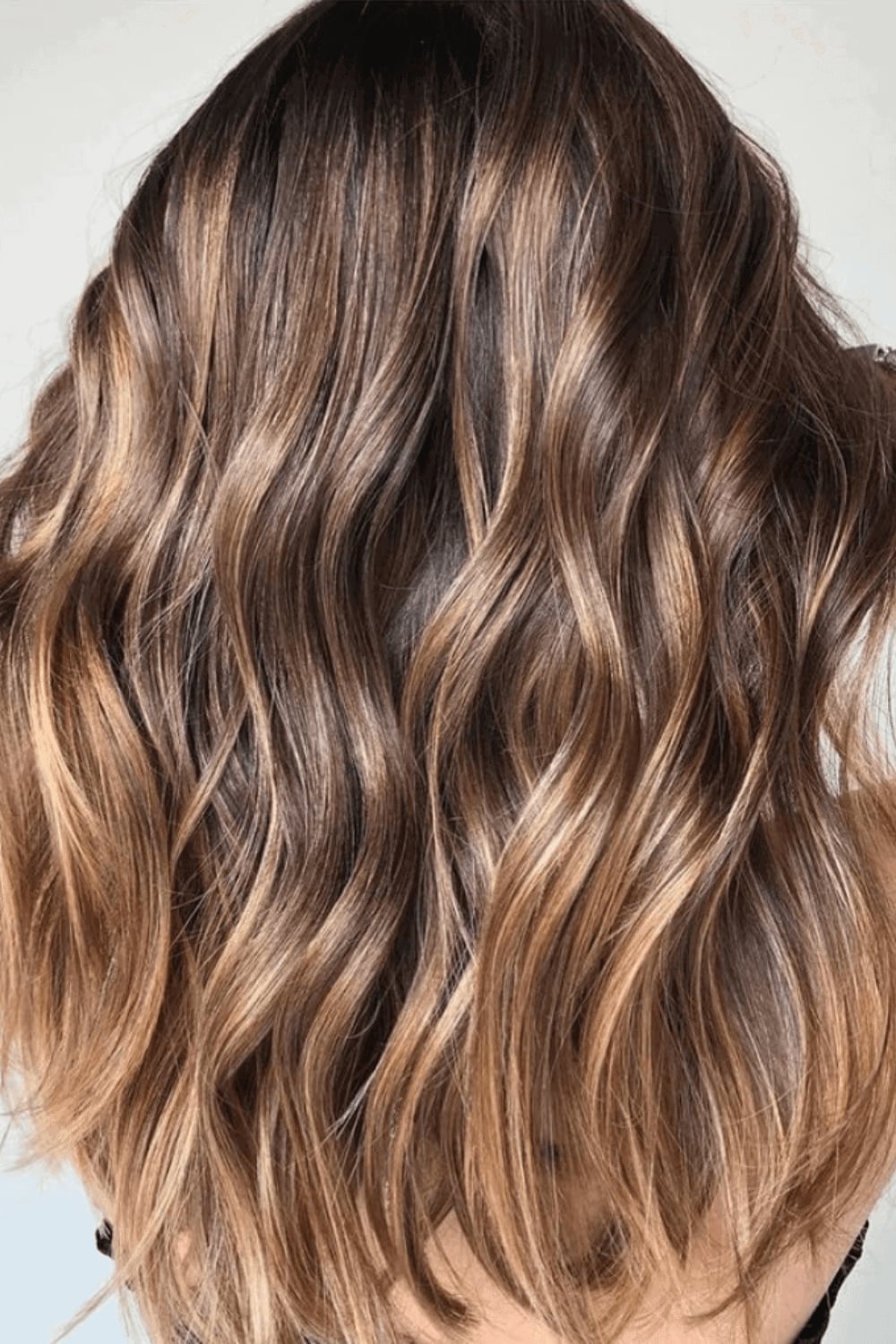
Dark brown meets caramel for a warm dimensional blend that looks natural. The wavy blowout styling and layered cut let the caramel pieces peek through without dominating. This suits medium to thick hair with a dark brown base that wants warmth without going full blonde. Choose cool-toned highlights if you prefer them; caramel runs warm by design.
Bronde base with subtle blonde highlights and curtain bangs
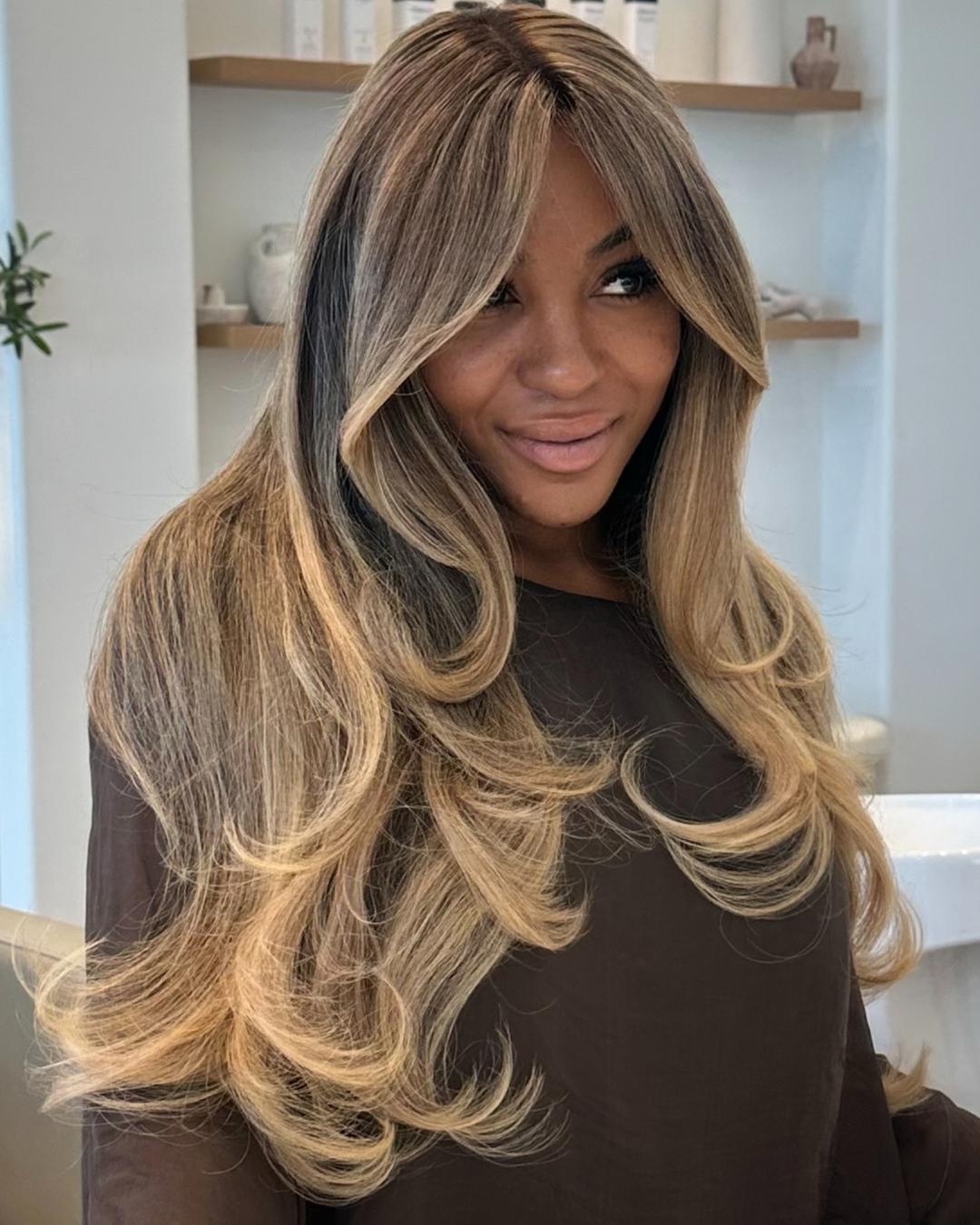
Curtain bangs frame the face while the bronde base adds depth. Subtle blonde highlights weave through the layers, keeping the blend natural. The soft waves and face-framing layers add movement. Medium to thick hair supports the bangs best. Regular fringe trims are needed to maintain the shape. Round and oval faces get the most softness from this shape.
Tell your colorist: layered cut, curtain bangs, subtle blonde highlights.
Dark brown base transitioning into a blonde balayage
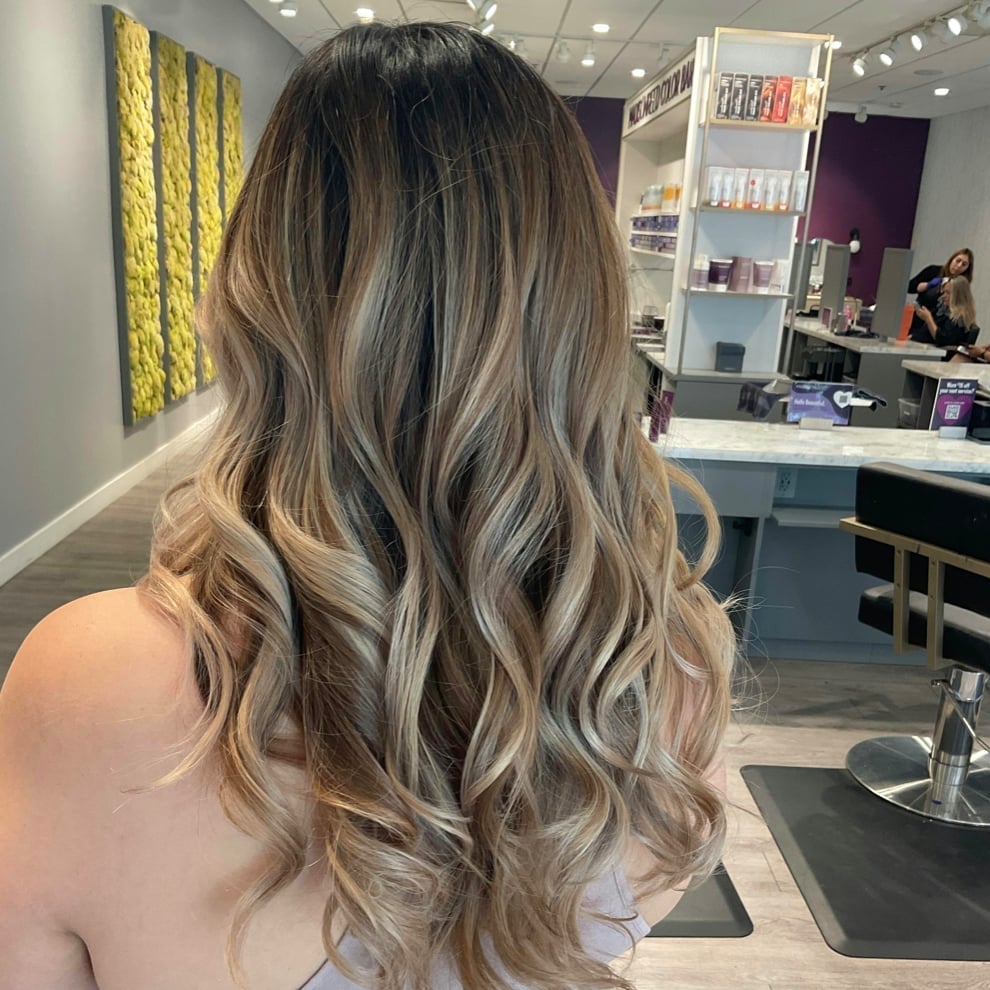
Where a full blonde feels like too much commitment, this dark brown to blonde balayage offers a middle path. The base stays rich at the root, then the balayage technique lifts the mid-lengths and ends into a blonde that looks grown-in rather than applied. Wavy styling shows off the thick texture, letting the two tones blur together without a harsh line. The catch: this is a salon-only job, and the transition needs a skilled hand to keep it from looking striped.
Rich brown with dimensional bronde highlights
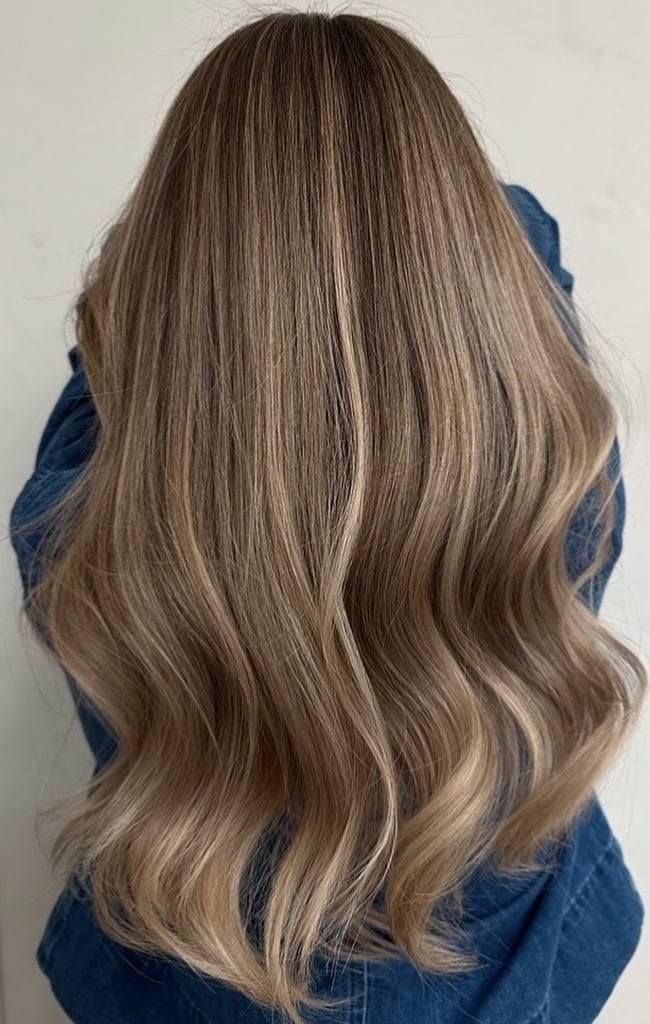
The trick is in the placement. A rich brown base carries soft blonde highlights that weave through the top layers, so the color reads dimensional. A middle parting and loose waves let the lighter pieces catch the eye at different angles, which is what makes the dimensional bronde highlights work. Subtle layers give the thick texture room to move without losing weight. Hair that is very fine may not hold a wave past lunch. Ask your colorist for: rich brown base, dimensional bronde highlights, subtle layers.
Brown base with lighter highlights wavy texture
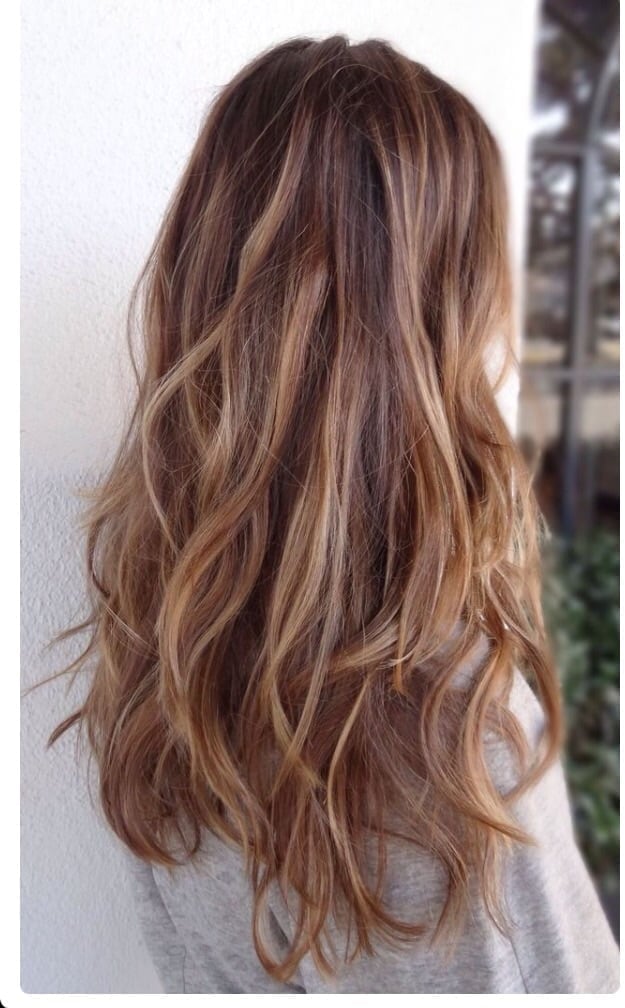
Notice how the lightness sits just where the sun would hit, not scattered evenly. A rich brown base carries lighter blonde highlights placed sparingly through the ends, so the color deepens toward the root. The middle parting keeps the look symmetrical, while a gentle blowout encourages the wavy, thick texture to add depth and movement. The layers are subtle, just enough to shape the wave.
Natural dimensional look with lighter highlights
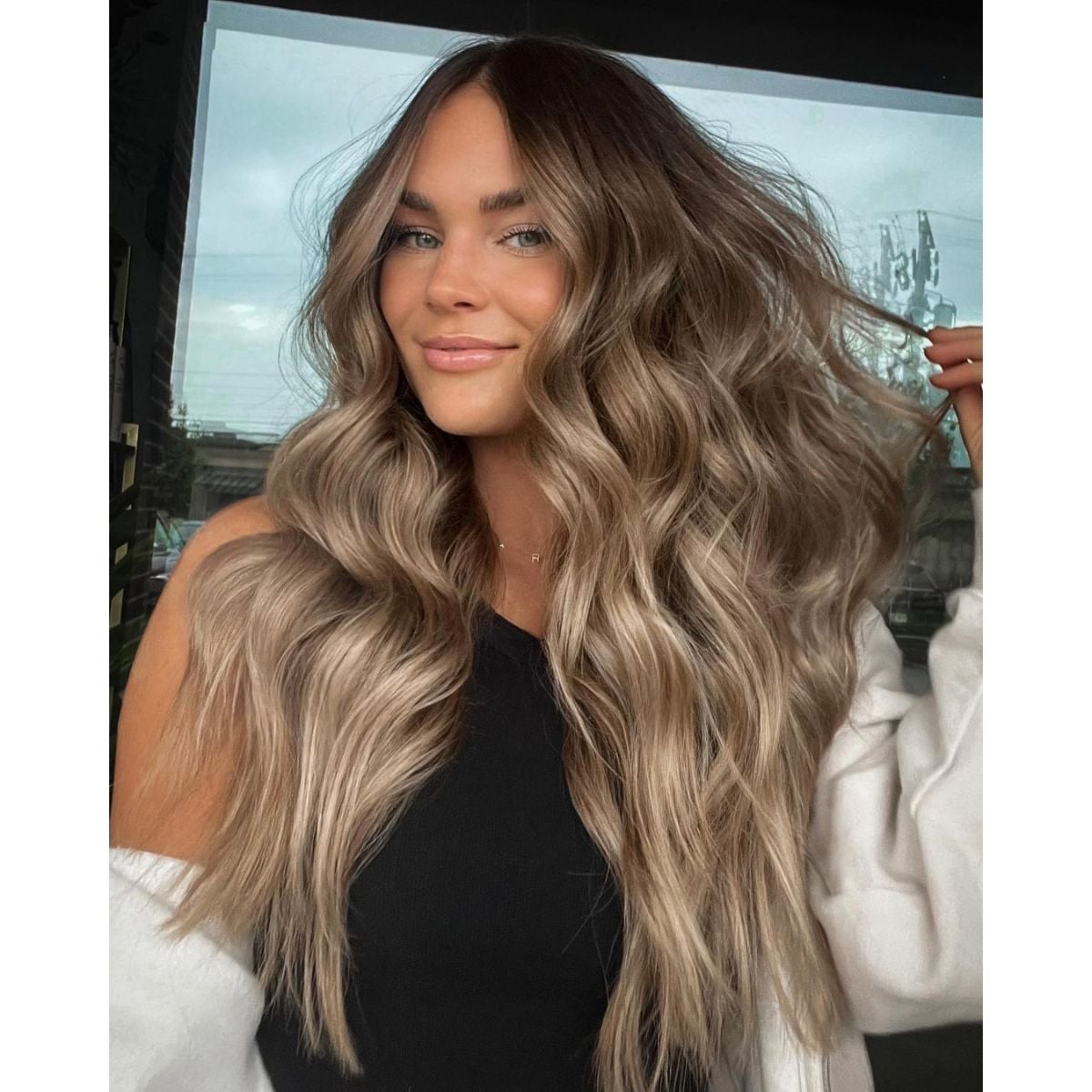
Balayage does not always mean obvious. Here, the smooth blend of a rich brown base with lighter blonde highlights keeps the transition so soft that the color looks like it happened outdoors. Darker roots melt into lighter ends without a demarcation line, which is the signature of the technique done well. Styled in waves, the thick texture gives the color body to play against. This is the option for anyone who wants a natural bronde look with a bit more payoff than a single-process brown. Ask your colorist for: rich brown base, lighter blonde highlights, balayage technique.
Medium brown base with face-framing blonde highlights
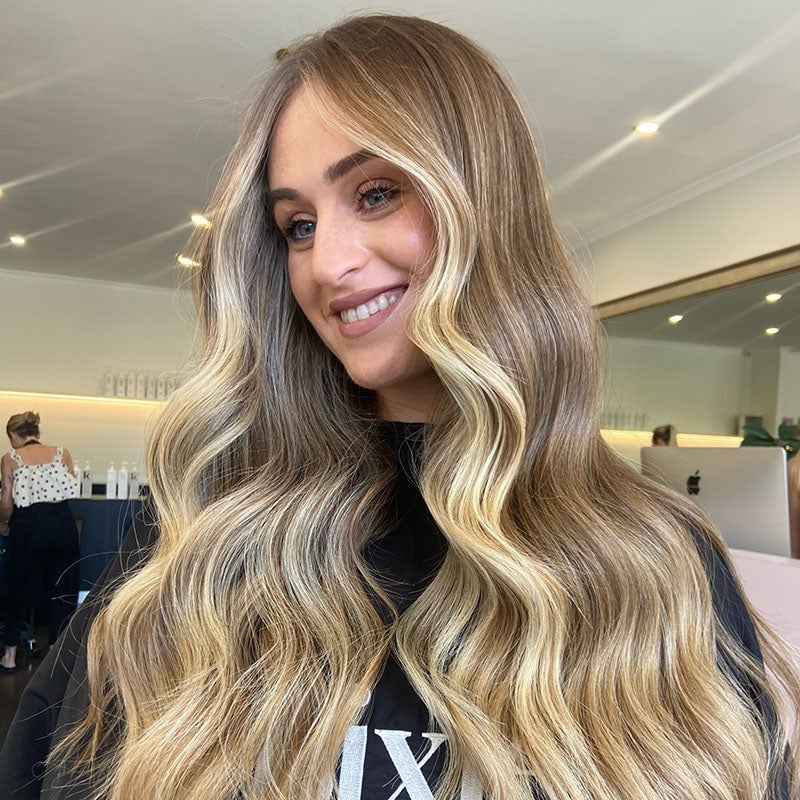
Face-framing highlights are the low-commitment way to brighten up without committing to all-over blonde. The medium brown base stays fairly uniform through the back, while the balayage technique places lighter strands around the face, drawing attention upward. This suits anyone who wants brightness where it counts and a lower-maintenance grow-out elsewhere. The wavy styling softens the contrast between the framed pieces and the rest of the color. Not for you if you want highlights woven through the entire head; this keeps the focus in one spot.
Bronde base with curtain bangs and face-framing highlights
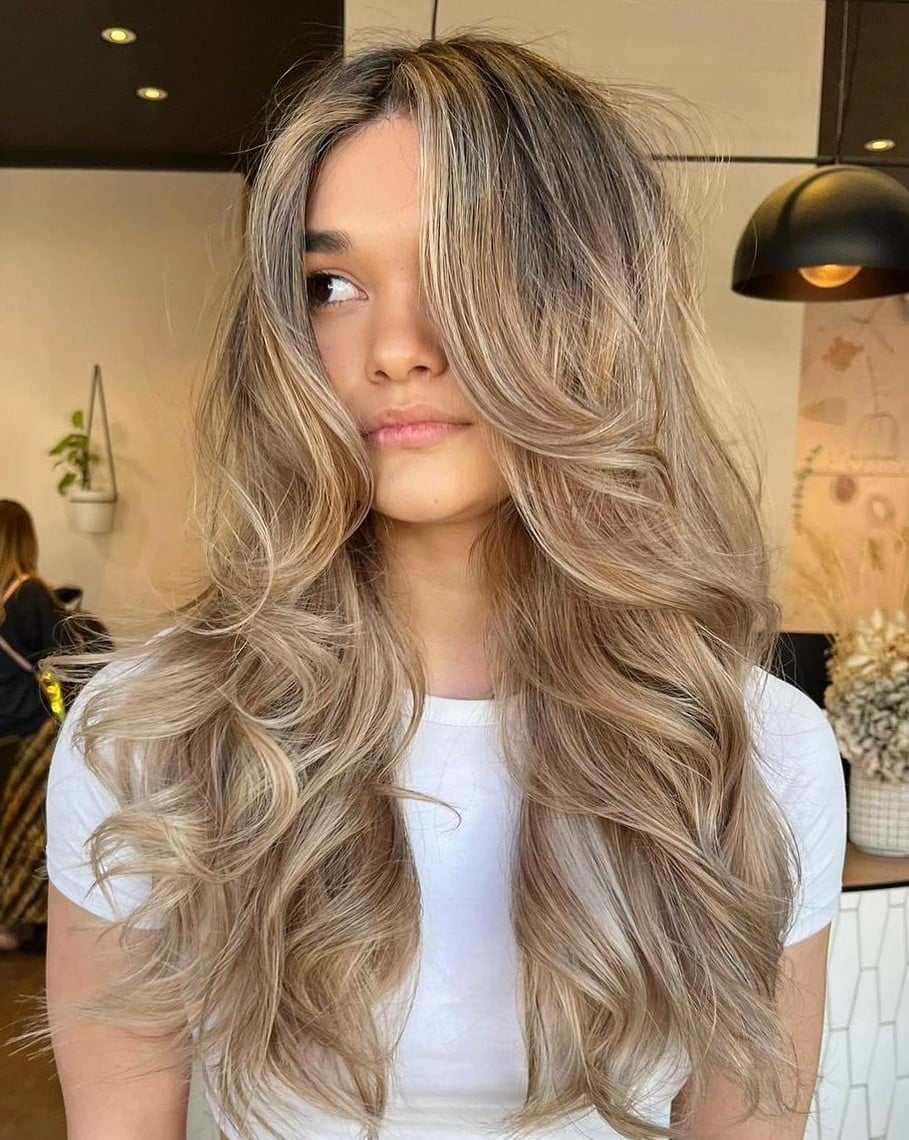
A standard bronde with no bangs is simpler, but curtain bangs change everything. The base is a warm bronde, and the blonde highlights are concentrated at the front, wrapping around the face. Wavy, thick texture carries the volume. Ask your colorist for: bronde base, blonde highlights, layers, curtain bangs. The bangs need a quick dry and sweep every morning. A middle part keeps the shape symmetrical. The catch: daily styling is required.
Layered cut with natural bronde lighter weave
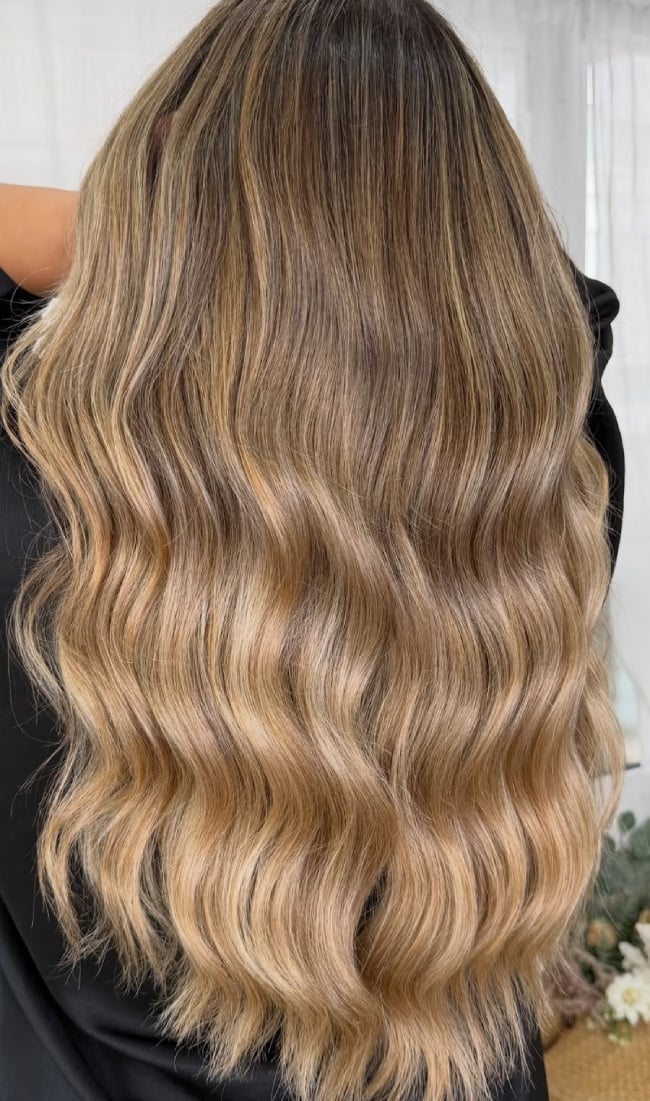
Clear and direct: this is a layered cut with a natural bronde base and subtle blonde highlights woven through. The effect is lighter, not striped. Thick, wavy texture takes the color well. The blowout finishes the look. Skip it if you have very fine hair that struggles to hold waves.
Face-framing highlights with a natural root shadow
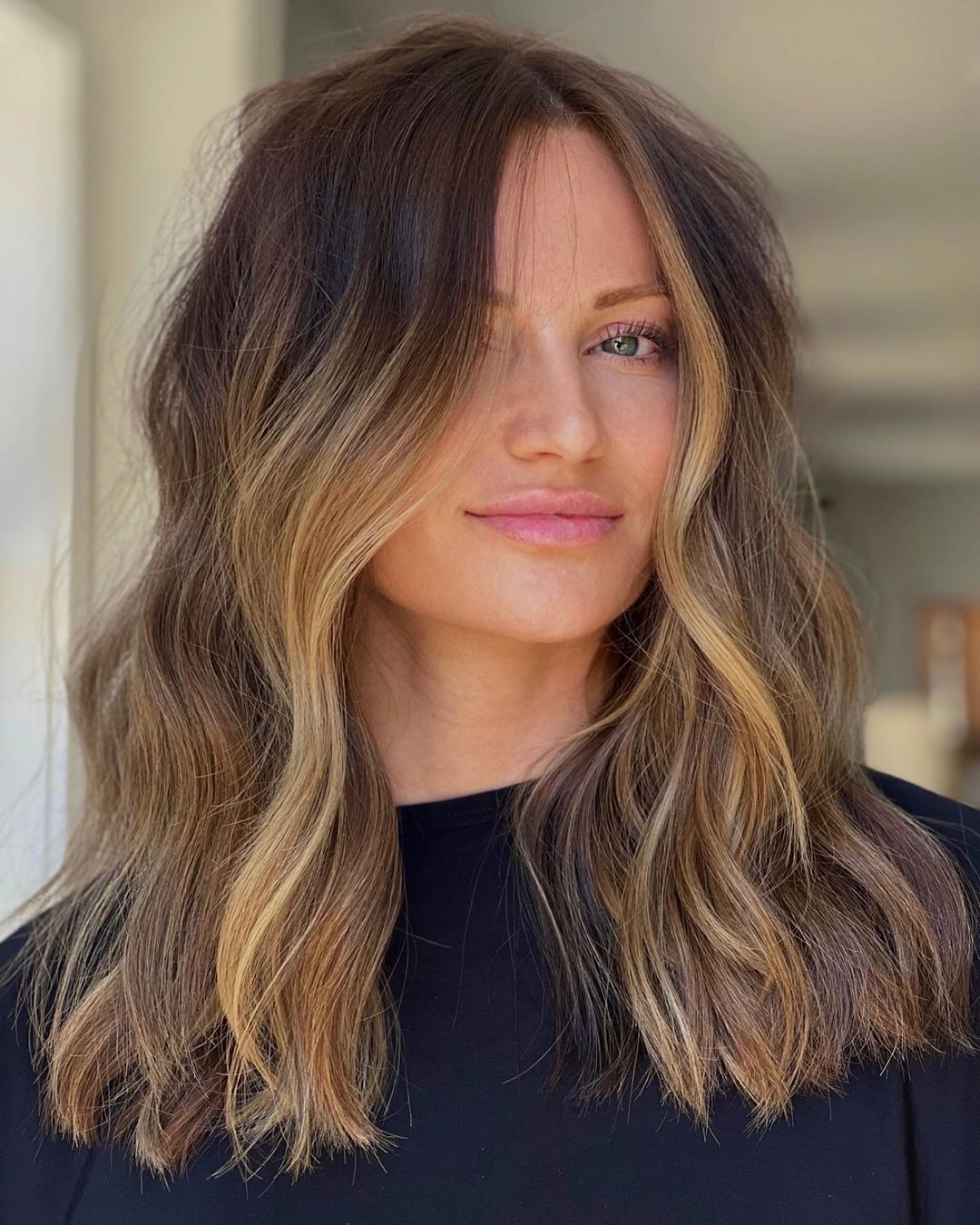
A root shadow that is not a hard line. The balayage technique lifts the color into soft blonde highlights, with the brightest pieces landing around the face. Fine, wavy texture benefits from the dimension. A side part changes the emphasis. Ask your colorist for: root shadow, soft blonde highlights, balayage technique. The grow-out is low-maintenance. Pass when you prefer a solid, uniform color from root to tip.
Dimensional bronde highlights on a dark brown lob
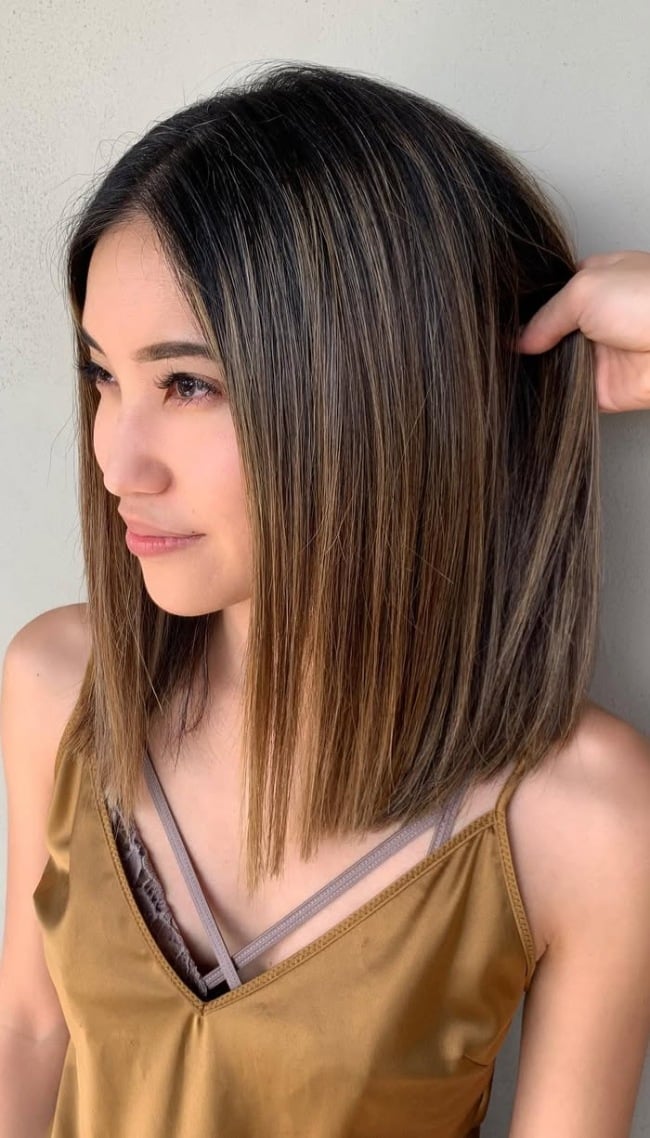
A lob is not a bob. This one sits just past the collarbone. The dark brown base is serious, and the subtle blonde highlights are placed to add depth without taking over. Straight, fine texture shows every blend line. A smooth blowout is the only way to wear it. Not for anyone who prefers longer hair.
Rich bronde with smooth lighter blonde highlights
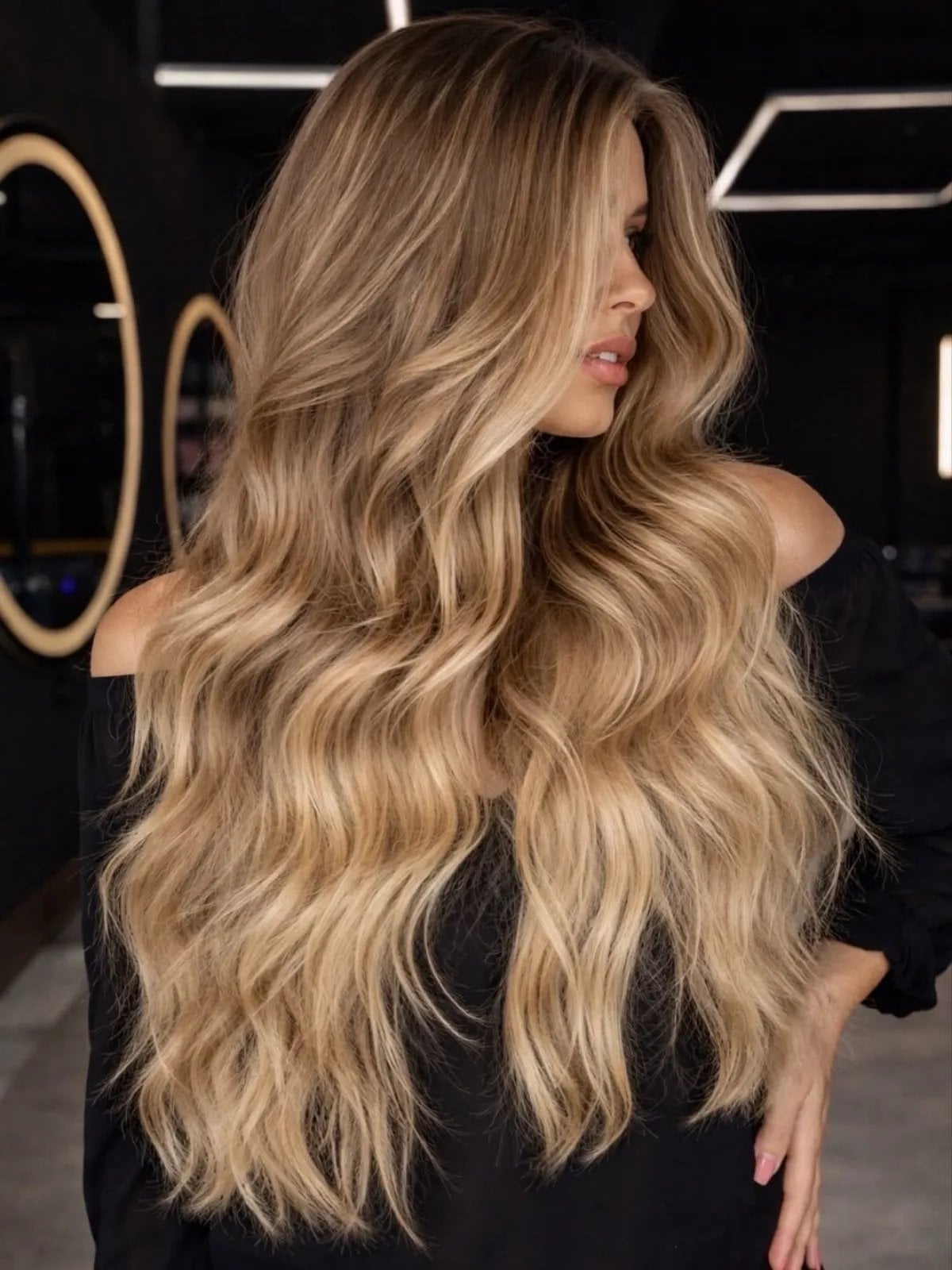
A rich bronde base that does not lean too warm. The smooth blonde highlights are painted in soft sections, creating a lighter effect from the middle part outward. Wavy, thick texture holds the wave pattern well. Ask your colorist for: rich bronde base, smooth blonde highlights, layers. The blend is the whole point. Skip it if you prefer a more rooted, shadowed look.
Bronde with face-framing layers and curtain bangs
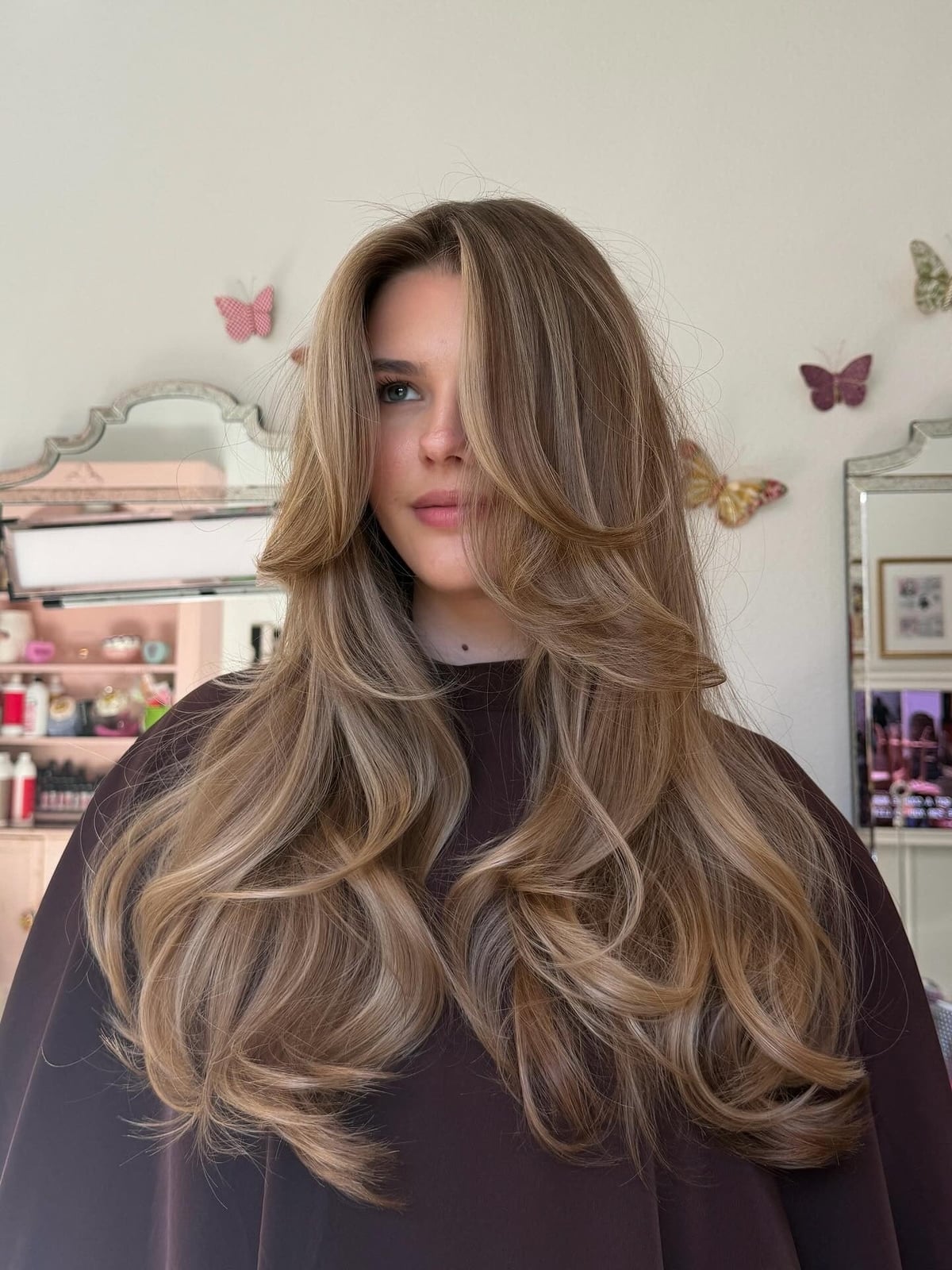
Compared to a full balayage, this look keeps the concentration of blonde right where it reads best, around the face. The voluminous blowout, middle part, and curtain bangs create a frame that softens the rest of the cut. Thick, wavy texture holds the lift at the roots and the bend through the ends. The blend takes time to get right, so expect a solid session in the chair. It is not a quick root touch-up.
Soft face-framing pieces on straight bronde hair
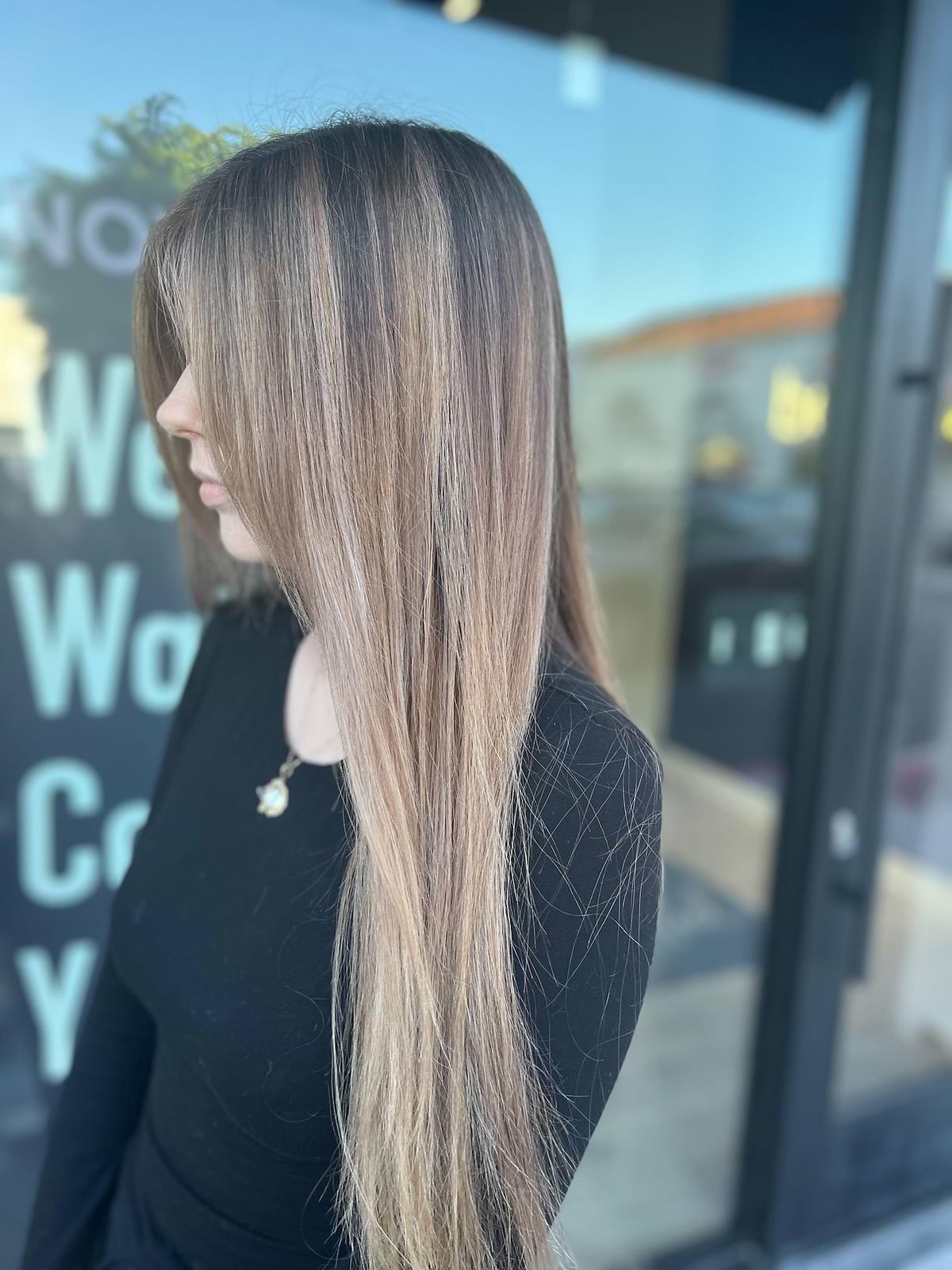
This is the version that works when you want a smooth, sleek finish. A rich brown base carries ash-toned highlights placed subtly throughout, so the look stays dimensional without obvious streaks. The straight texture and smooth blowout let the soft face-framing pieces catch the light differently than the rest of the length. Ask your colorist for: rich brown base, ash-toned highlights, layers, curtain bangs. The catch: fine hair needs the right density to carry curtain bangs without looking sparse.
Wavy bronde with face-framing highlights and curtain, close-up take
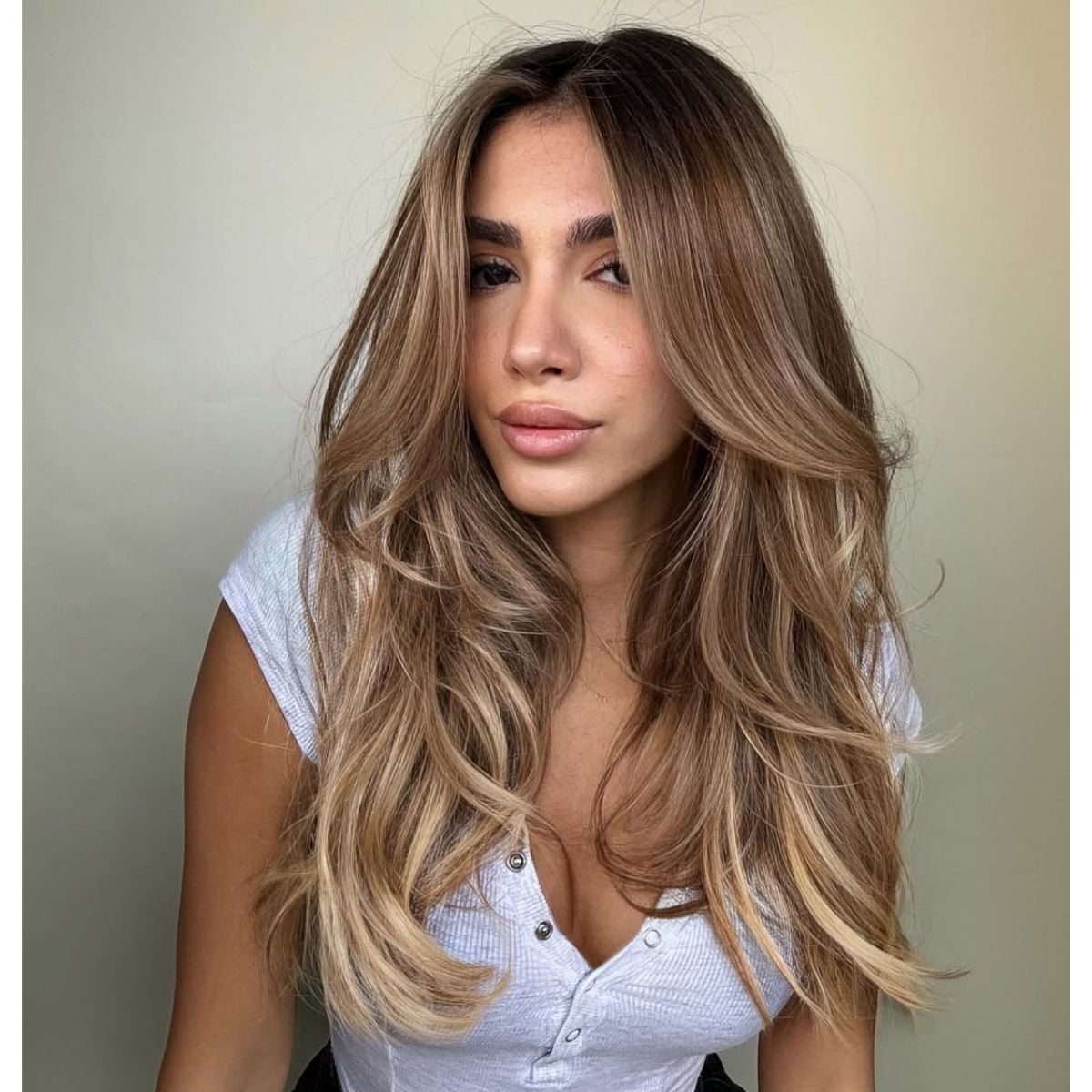
A warm brown base and blonde highlights sit close together in value, so the shift is soft rather than stark. The wavy, thick texture is what makes the dimension work. Each wave turns a different angle toward the light. Curtain bangs and face-framing layers do the job of drawing attention upward. A trim on those bangs every four to six weeks keeps the shape precise.
Rich dimensional look with blonde balayage transition
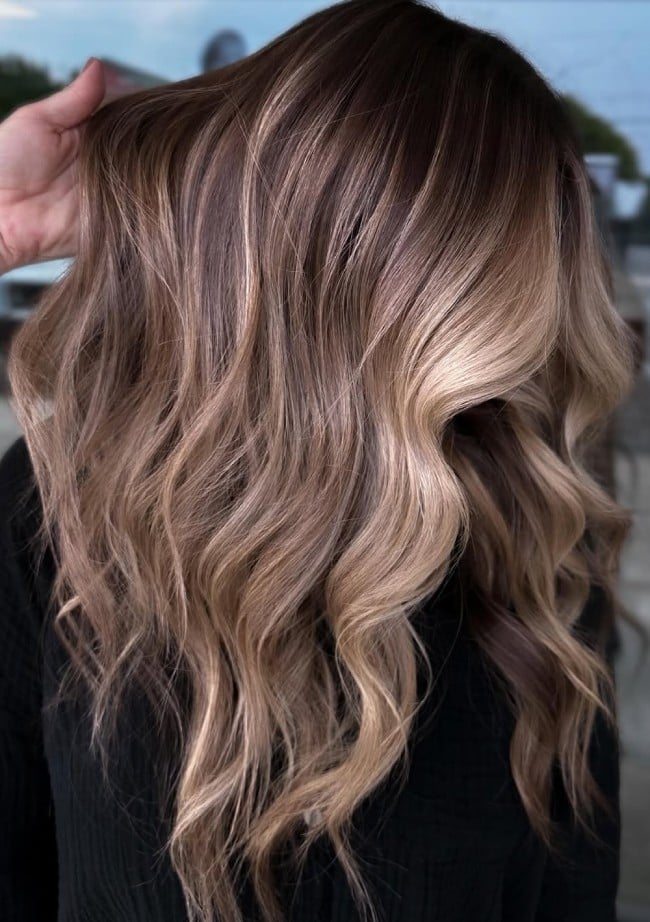
A dark brown base moving into a lighter blonde balayage gives you the contrast of two distinct color zones. This works best for hair that starts dark and wants a noticeable lift toward the ends. Subtle layers keep the transition smooth, and the wavy styling helps the lighter lengths extend naturally from the root. Ask your colorist for: dark brown base, blonde balayage, subtle layers. A uniform tone from root to tip is a different look.
Lighter bronde with face-framing blonde highlights
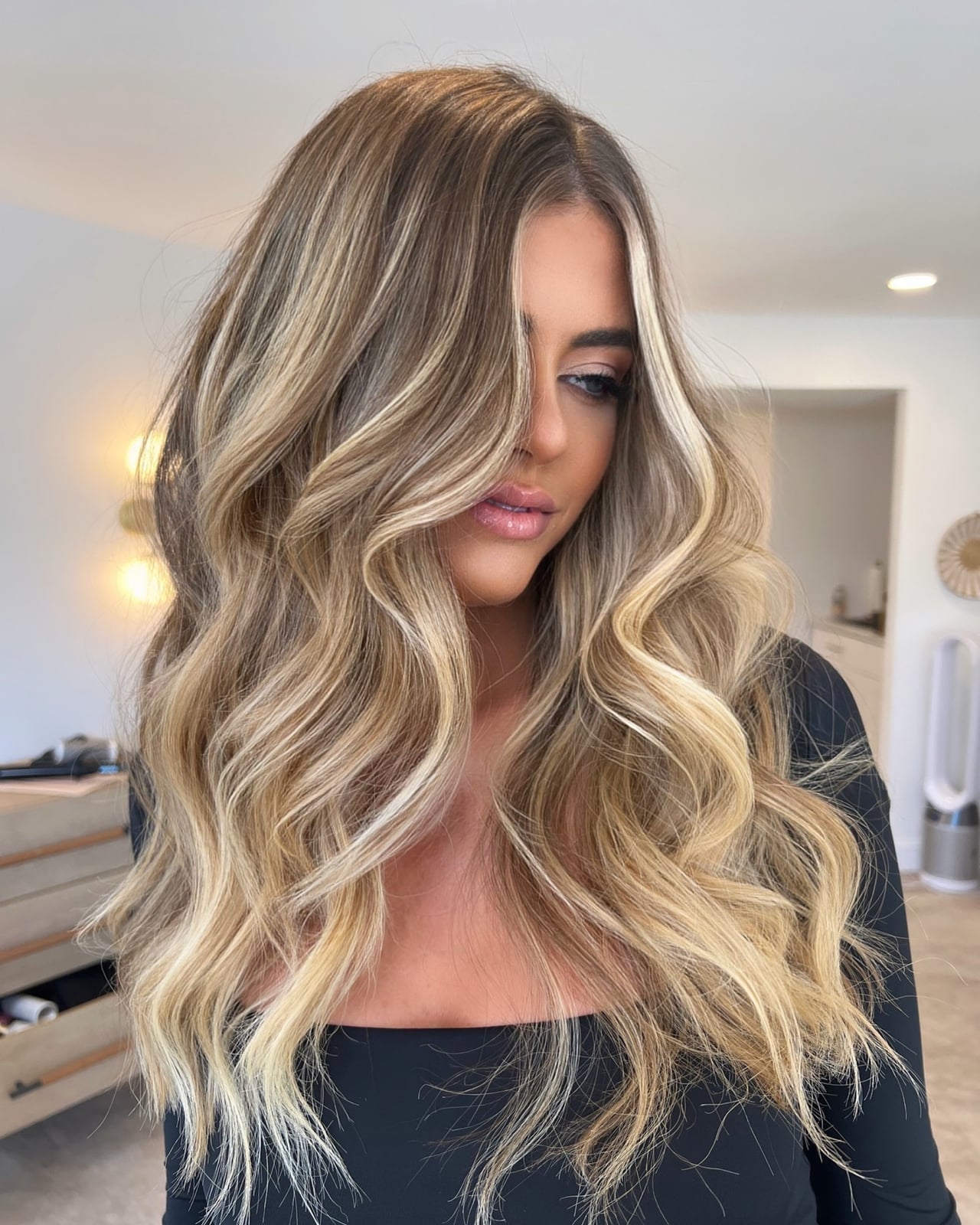
A warm brown base sets the foundation, and blended blonde highlights create the lighter effect. The lighter strands sit around the face, which is where most people want the brightness. Wavy texture helps the blend look natural. This is a salon-leaning application that takes a careful hand.
It works best for those who want warmth in their hair color.
Warm brown with balayage highlights, layers, and curtain bangs
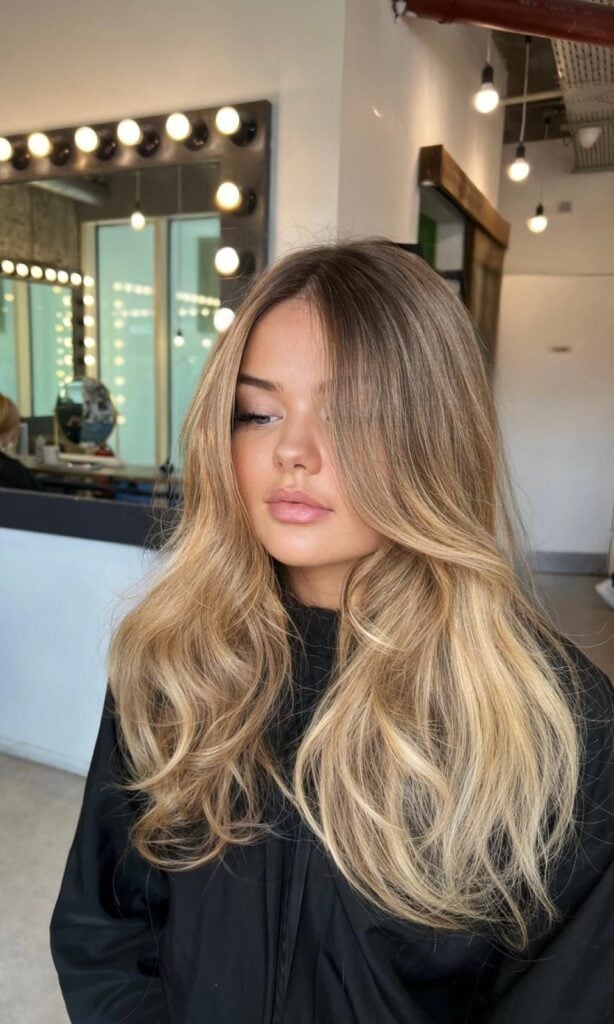
Consider a standard set of face-framing layers without the bangs. This version adds a curtain fringe, and the difference is noticeable. A warm brown base blends into soft blonde highlights via balayage, with the lighter pieces hitting around the cheekbones. Thick, wavy hair carries the shape well. Curtain bangs need a quick blow-dry direction change each morning, but the payoff is a soft frame that works with a middle part. Ask your colorist for: warm brown base, soft blonde highlights, balayage, curtain bangs.
Smooth color transition from dark root to light ends
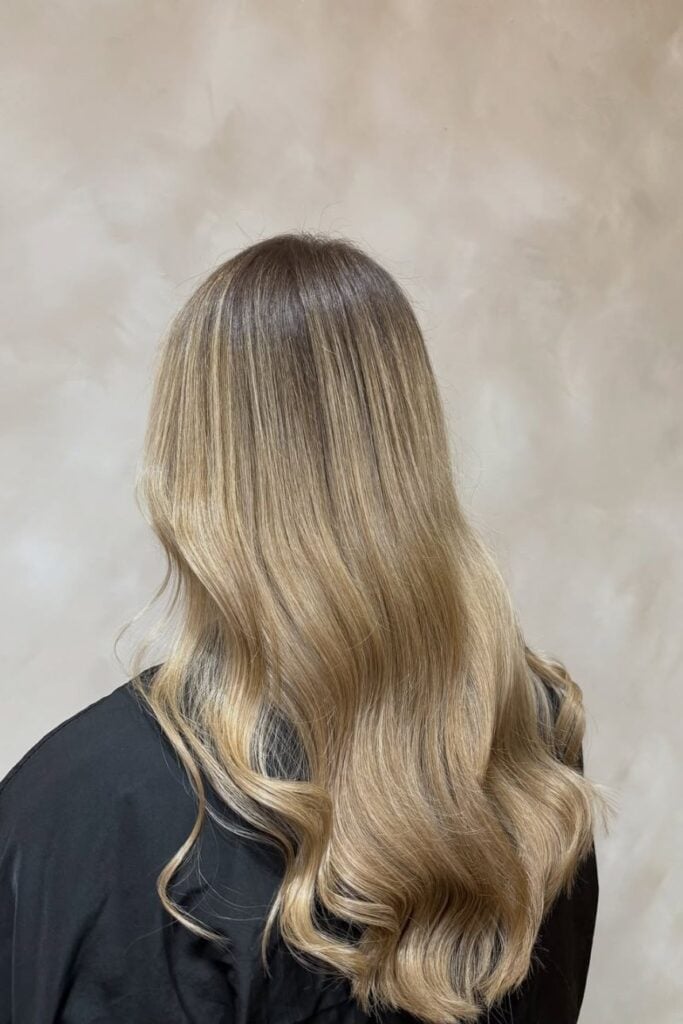
This is a straightforward request with a specific result. The color moves from a darker root into lighter, lighter ends with no visible line. Subtle highlights are woven through the mid-lengths to keep the transition soft. Thick, wavy texture helps the blend look natural rather than striped. The technique relies on the colorist painting the lightener in a graduated pattern. A middle part shows off the gradient best.
Rich brown base with lighter blonde highlights and styled in waves
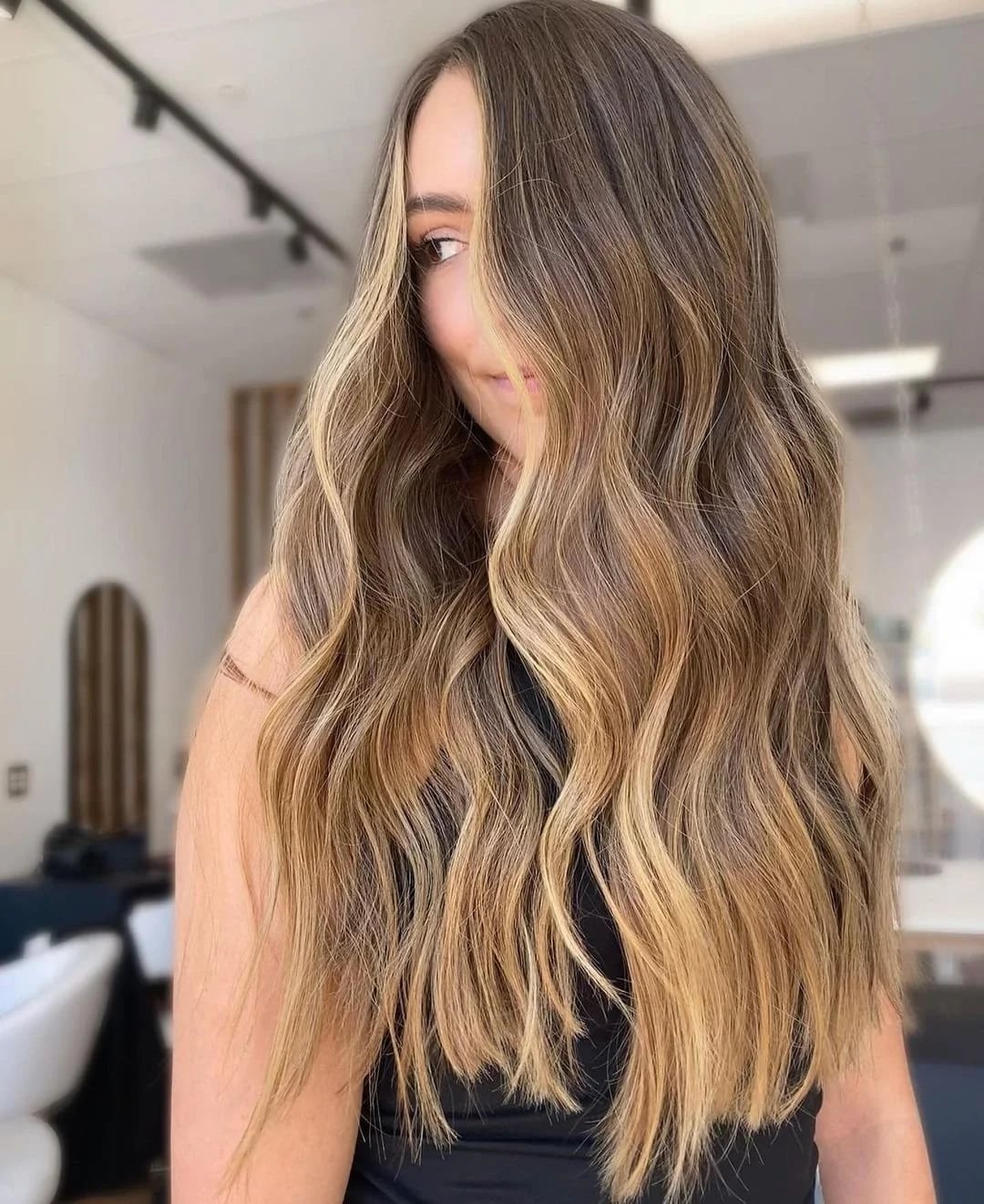
The balayage here starts from a rich brown base and pulls smooth blonde highlights through the ends. Lighter strands are woven throughout, not concentrated in one zone. Thick hair benefits from this distribution because the lightness adds dimension, not chunkiness. A side part changes where the light hits, so the lighter effect shifts with the style. Ask your colorist for: rich brown base, smooth blonde highlights, balayage. The wave set is a styling choice, not a requirement.
Bob haircut with warm caramel highlights
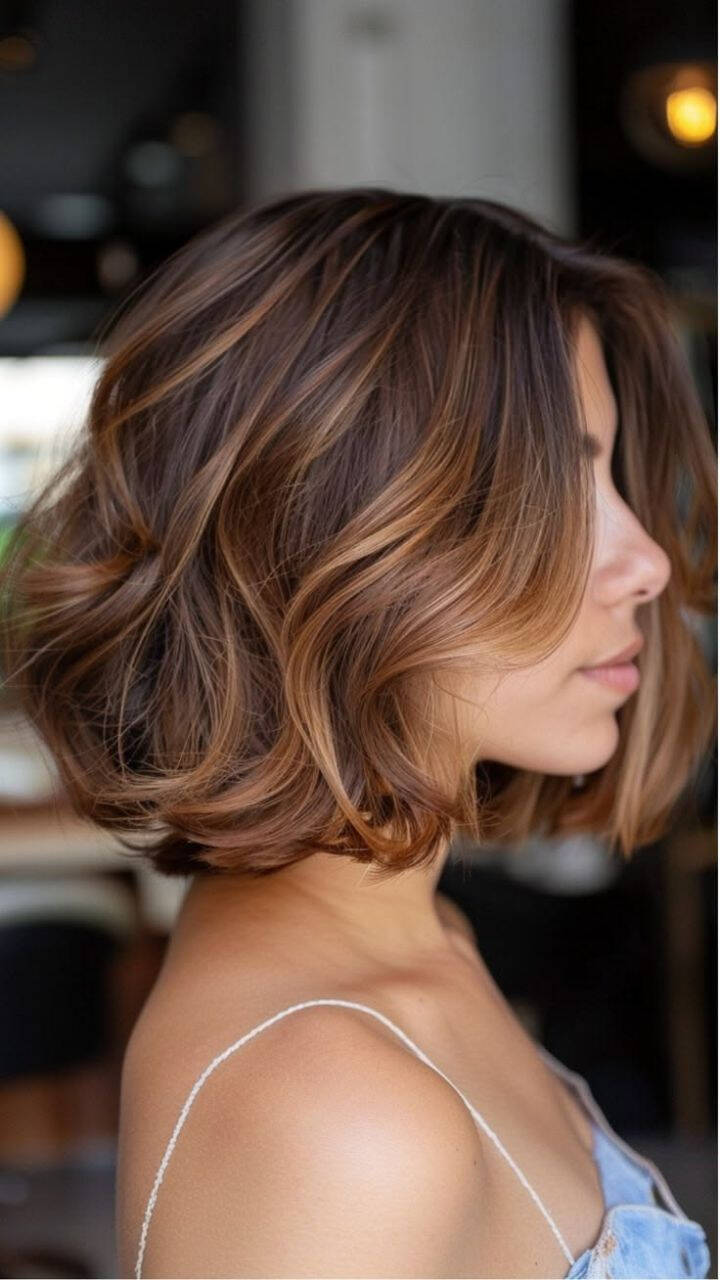
A bob with caramel highlights versus one without: the highlights add a warmth that keeps the cut from looking flat. Fine, wavy texture works here because the subtle blending prevents the color from overwhelming the hair. The bob itself sits above the shoulders, so the caramel pieces hit around the jaw and cheek area. A side part gives the highlights more surface area to catch the eye. The cut needs a trim every six weeks to hold its line.
Rich brown base with face-framing blonde highlights, close-up take
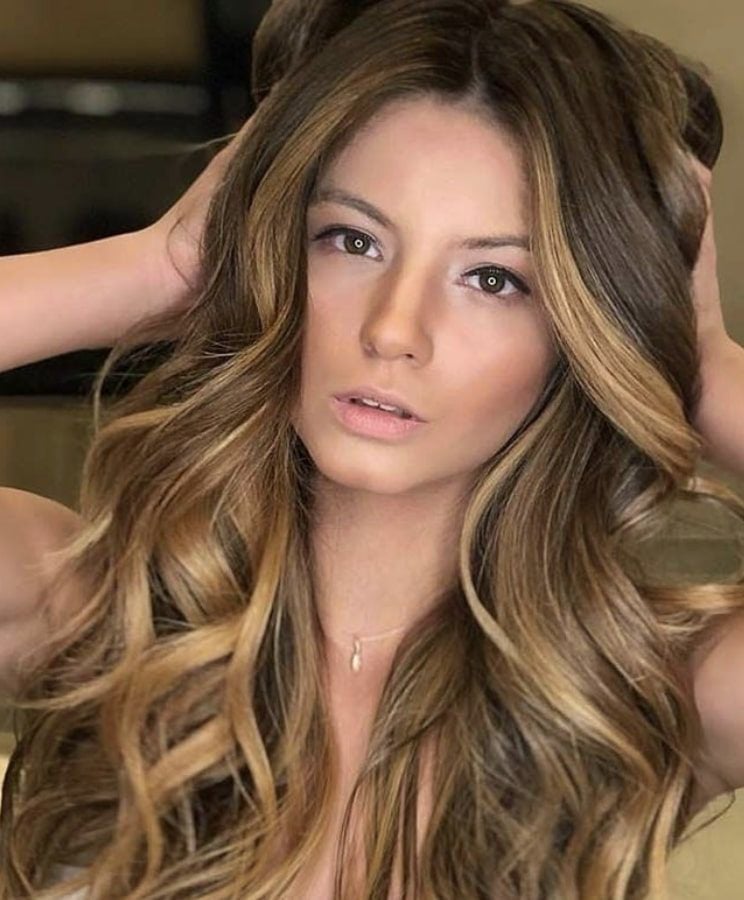
Face-framing highlights suit anyone who wants brightness without committing to all-over lightness. The rule: the lighter pieces stay around the front hairline and the ends, while the rich brown base stays deeper at the roots and crown. Thick, wavy hair carries the contrast well because the texture breaks up the line between the two shades. A middle part splits the face-framing pieces evenly, so both sides get the same lift. Pass when you prefer a single, uniform shade. Ask your colorist for: rich brown base, subtle blonde highlights, balayage.
Bronde with distinct face-framing blonde highlights
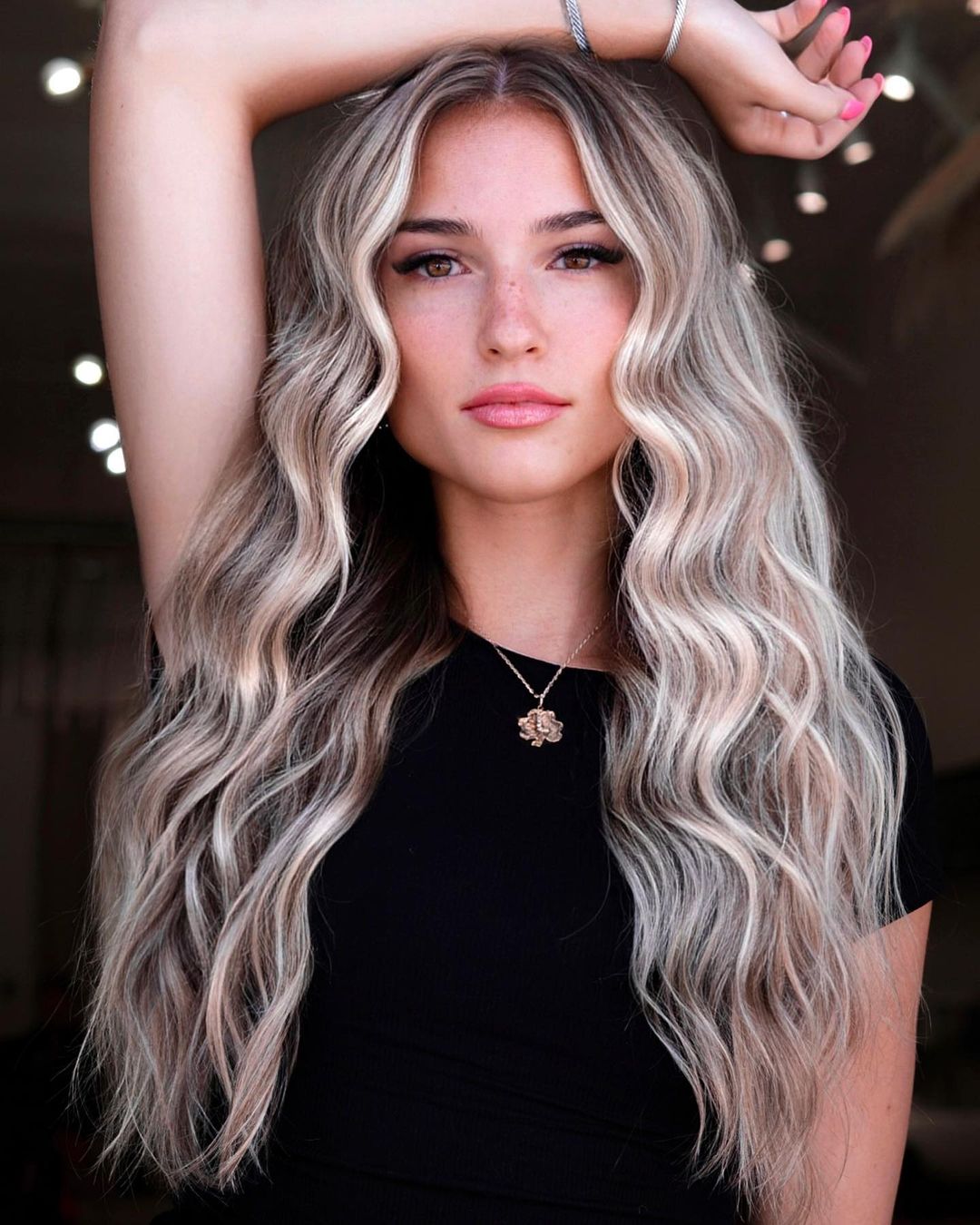
Call it the opposite of a wash-and-go. A middle part and a wavy blowout let those brighter pieces sit exactly where they need to. The blending takes time, plan on a longer chair session. Skip it if you prefer subtle, blended highlights that don’t announce themselves.
Balayage transition from darker roots to lighter ends
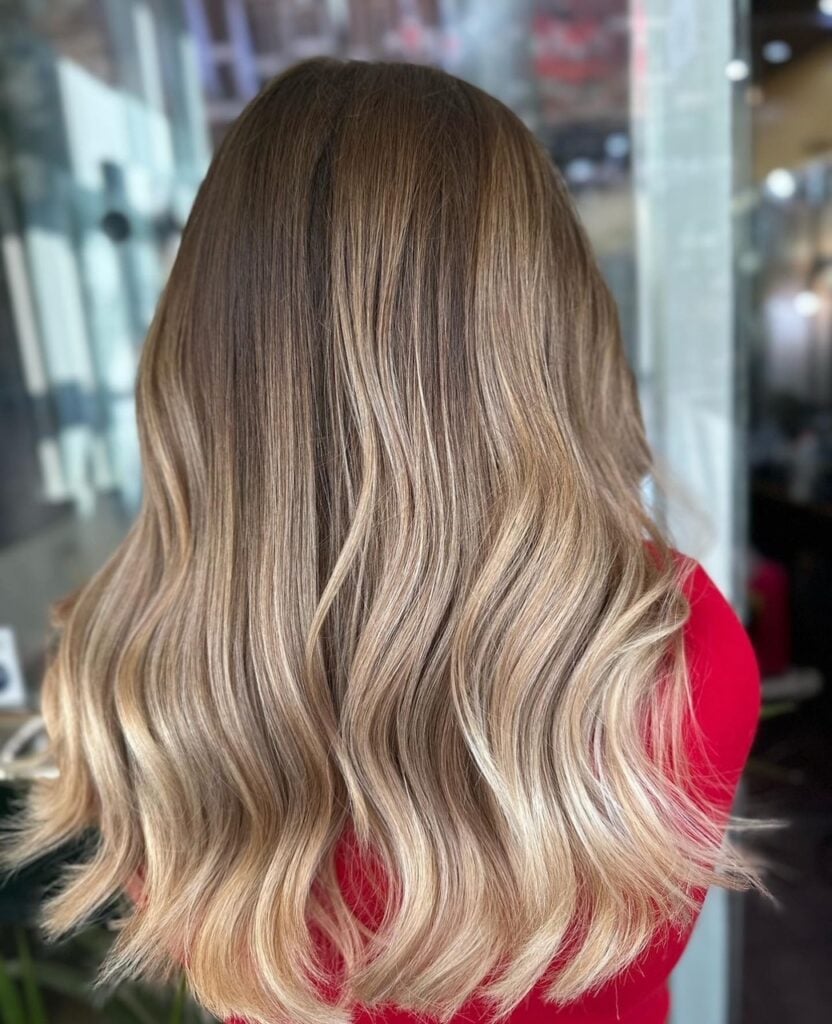
Start darker, end lighter. That is the rule here. The bronde color uses a balayage transition from the deeper root area into blonde highlights toward the ends, all on a wavy, thick texture. A middle part shows off the side framing. Ask your colorist for: bronde color, blonde highlights, balayage transition. The soft blowout styling makes the shift visible without looking harsh. Not for anyone who prefers a uniform color from root to tip.
Fine wavy texture with face-framing highlights and curtain bangs
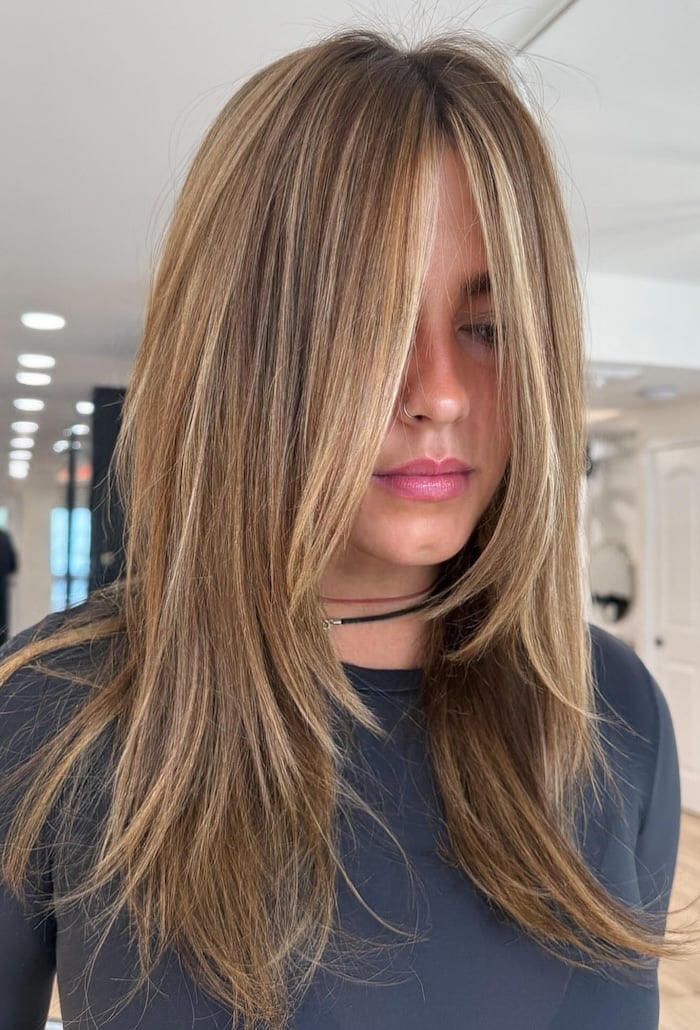
Fine hair gets a reputation for lying flat. This build works against that. Soft layers and curtain bangs are cut into the shape, while blonde highlights are woven through the bronde base to create the face-framing effect. The natural blowout with a middle part keeps the fine, wavy texture moving. The cut and the highlights do the heavy lifting together, one without the other misses the point.
Final Thoughts
Choose your bronde based on your natural base color and how much maintenance you’re willing to commit to.
- Dark natural base: rich brown with blonde balayage for soft grow-out.
- Cool tones that pull brassy: ask for ashy highlights and a toning gloss every 8 weeks.
- Fine hair: face-framing highlights add the illusion of density.
- Ten minutes in the morning: a lived-in balayage with curtain bangs air-dries well.
Find the bronde that speaks to your style.